




Projects
Me and
My Tech Stack
Hi! I'm Animesh Toshniwal, a B.Tech student at MNNIT Allahabad specializing in Mechanical Engineering with a strong passion for software development. I excel in building full-stack web applications with modern technologies like MERN stack.
I have hands-on experience developing real-time collaborative applications, e-learning platforms, and cryptocurrency trackers. My expertise includes React.js, Node.js, Express.js, PostgreSQL, MongoDB, and modern UI frameworks.
Currently, I'm focusing on competitive programming and have achieved Specialist rating on Codeforces (1456), 3-star on CodeChef (1604), and Knight on LeetCode (1886).












Achievements
Codeforces Specialist
Rating: 1456
CodeChef 3-Star
Rating: 1604
LeetCode Knight
Rating: 1886
ML Certification
Stanford Online
Contact Me
Questions, thoughts, or just want to say hello?
WalletFlow: Collaborative Budget Planner
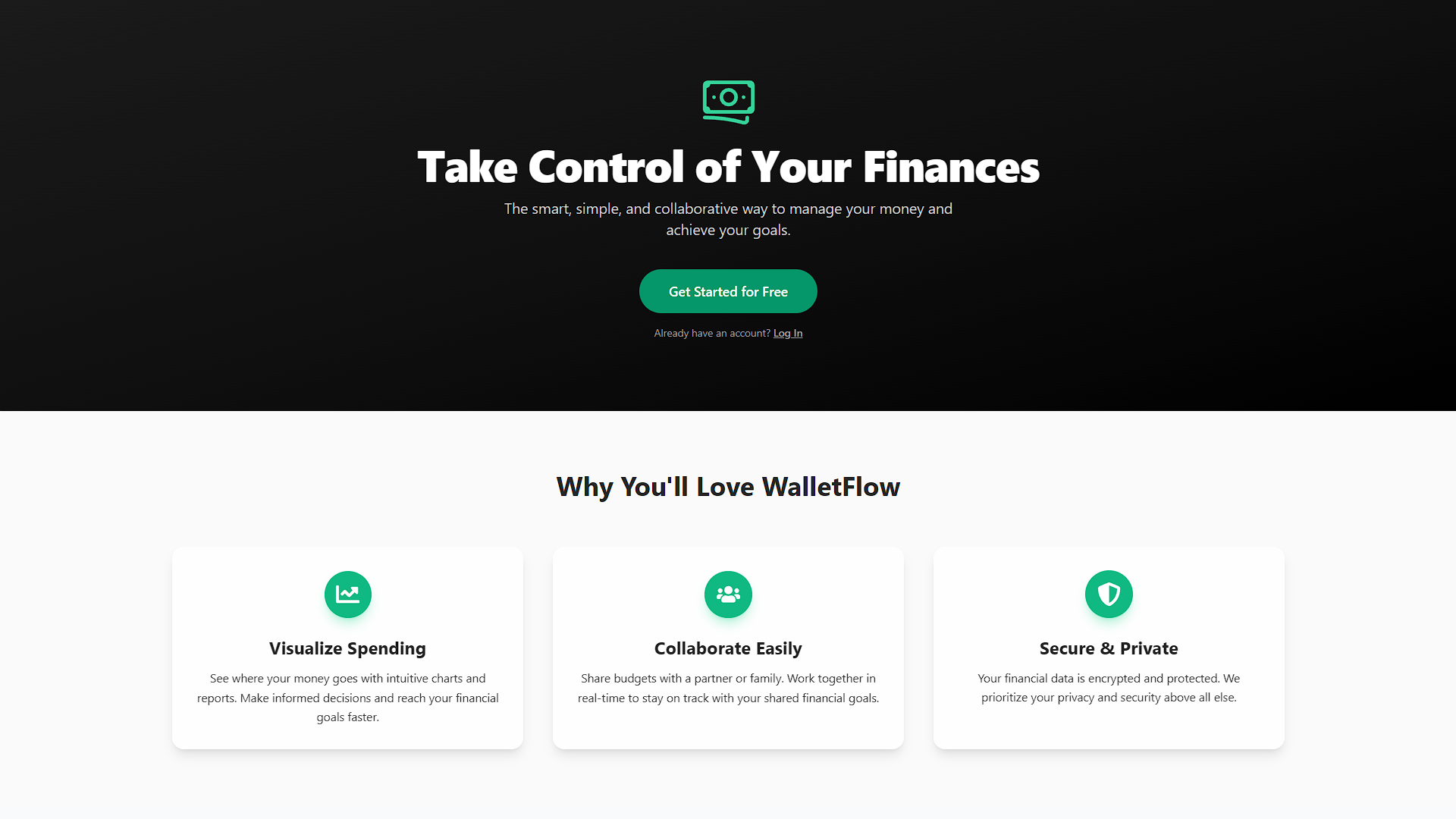
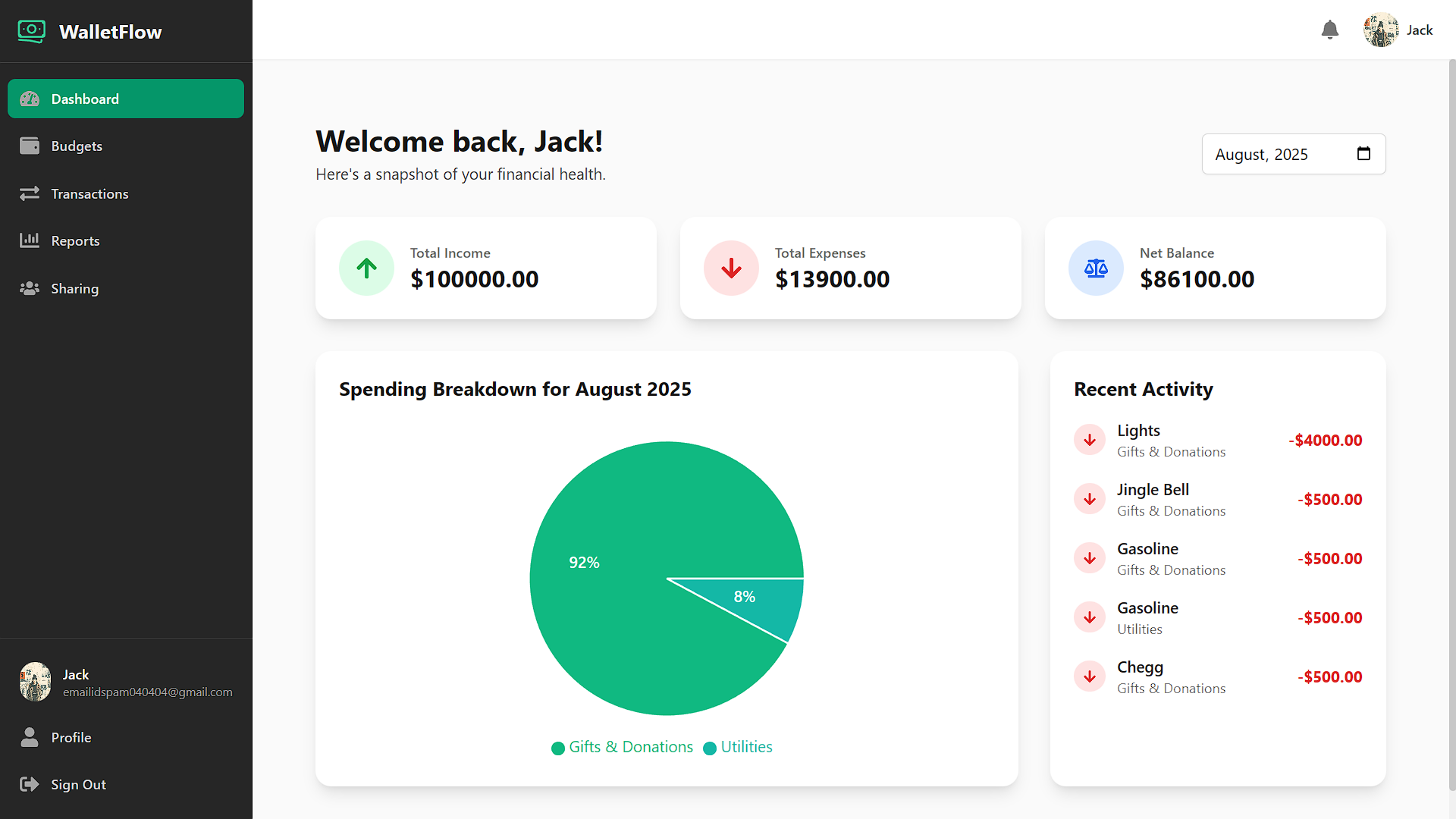
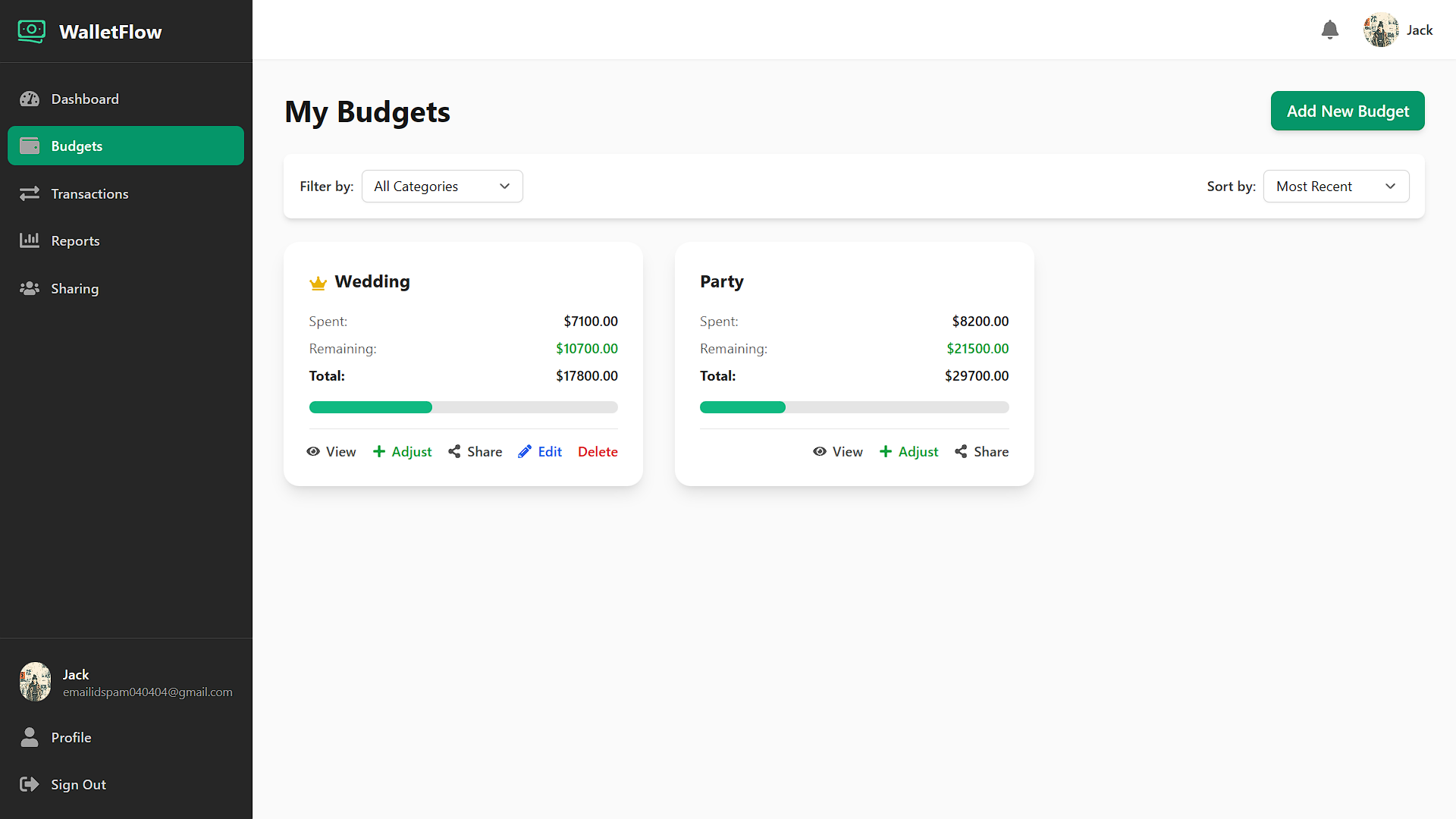
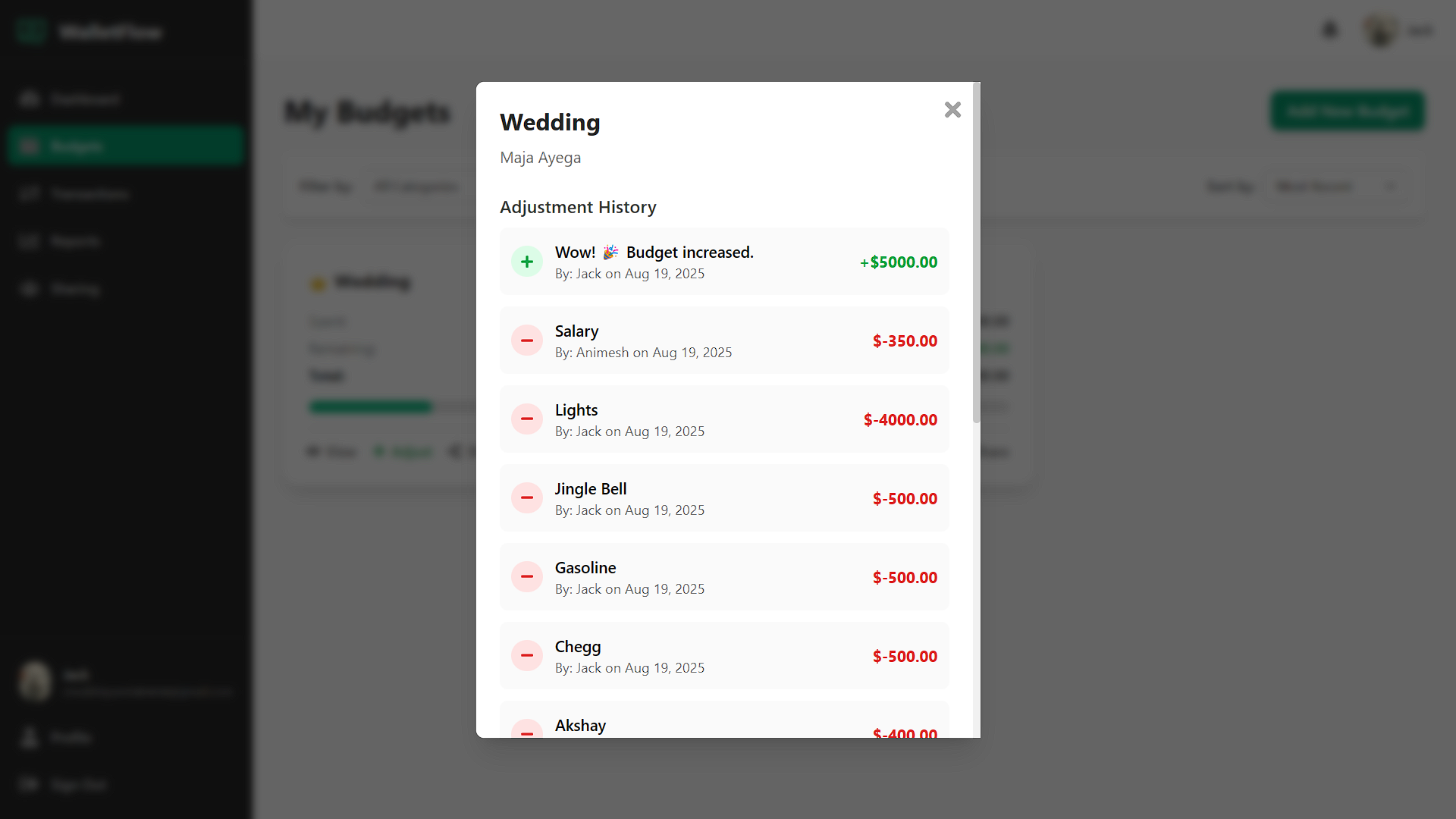
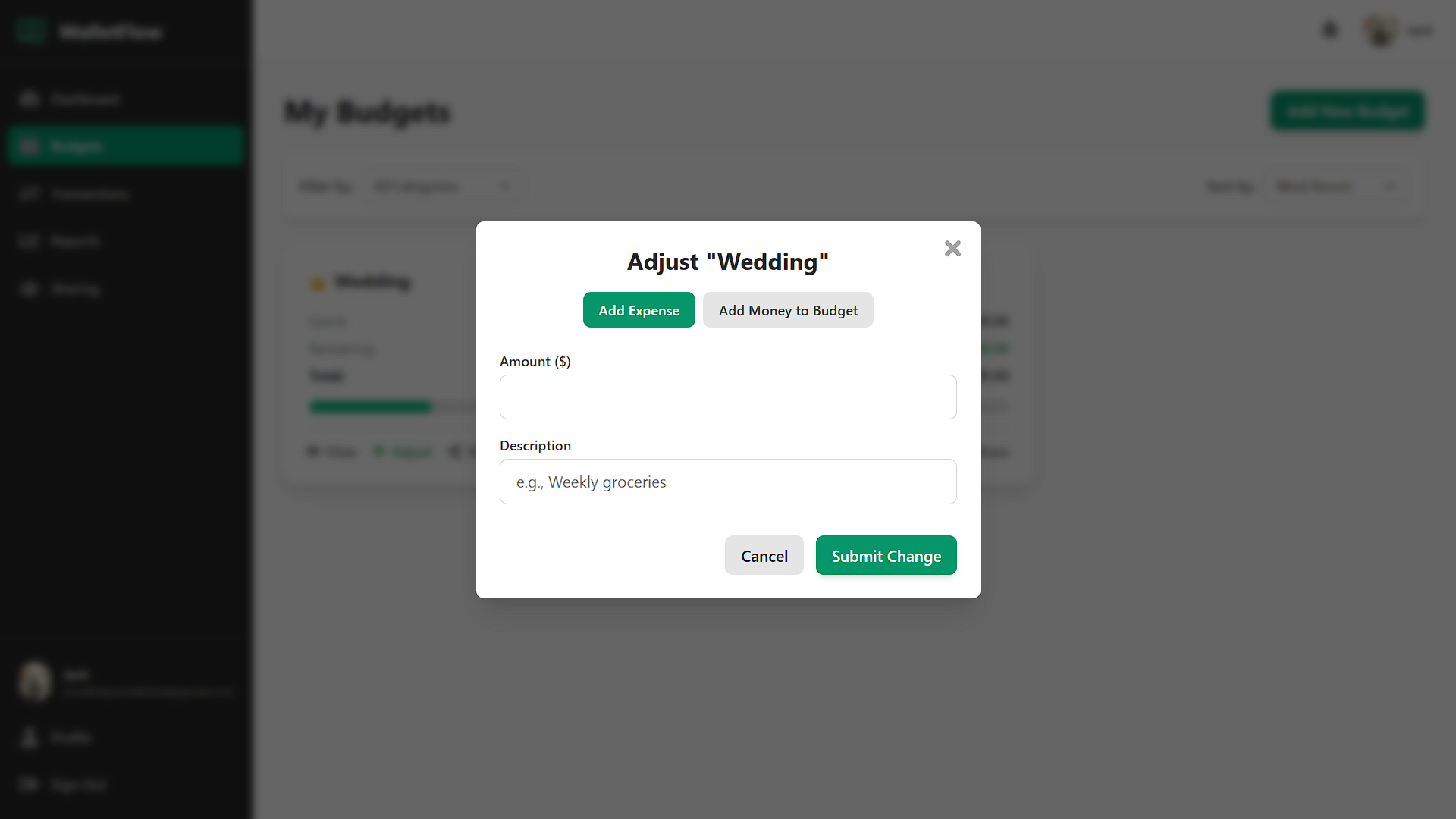
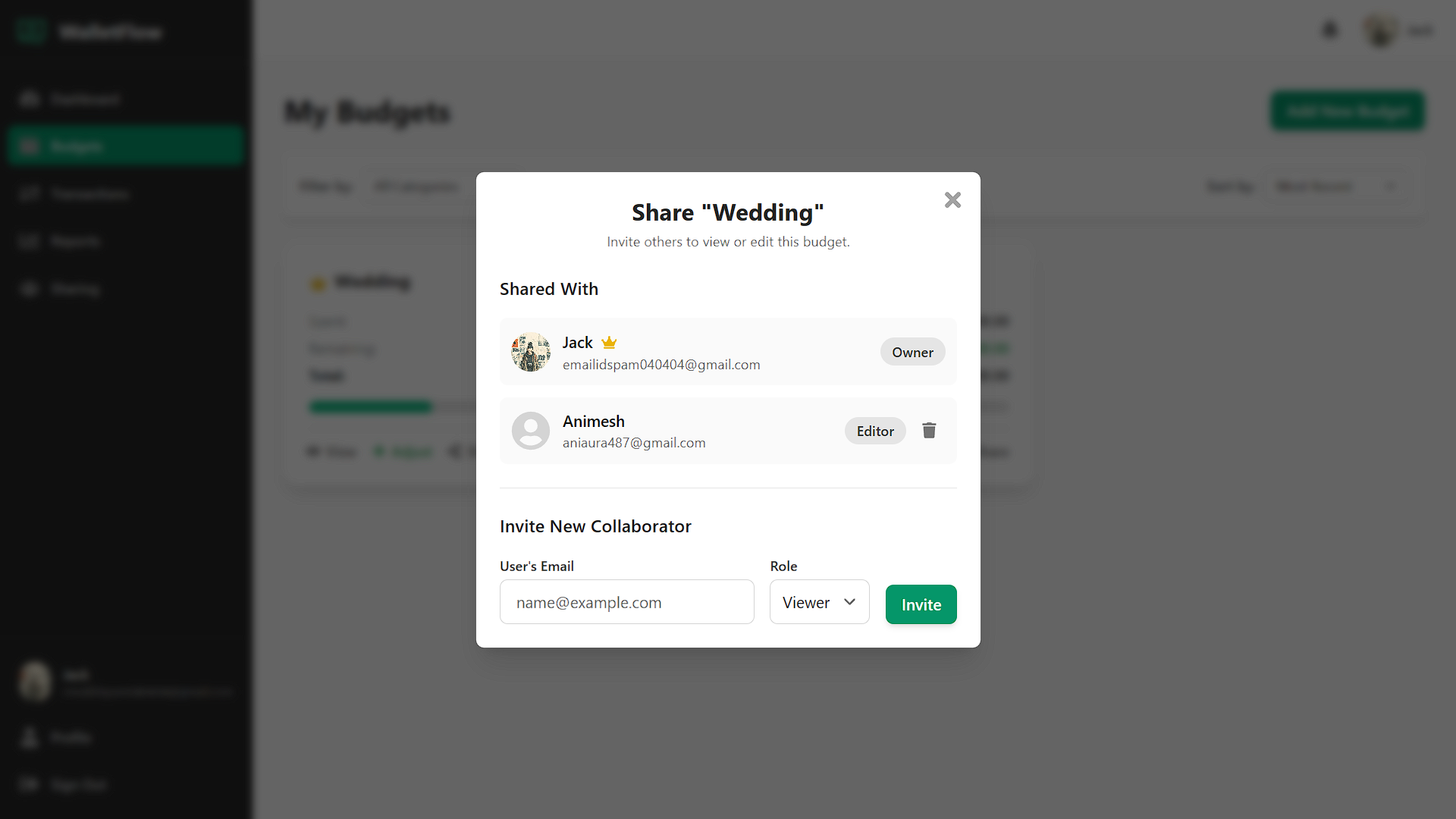
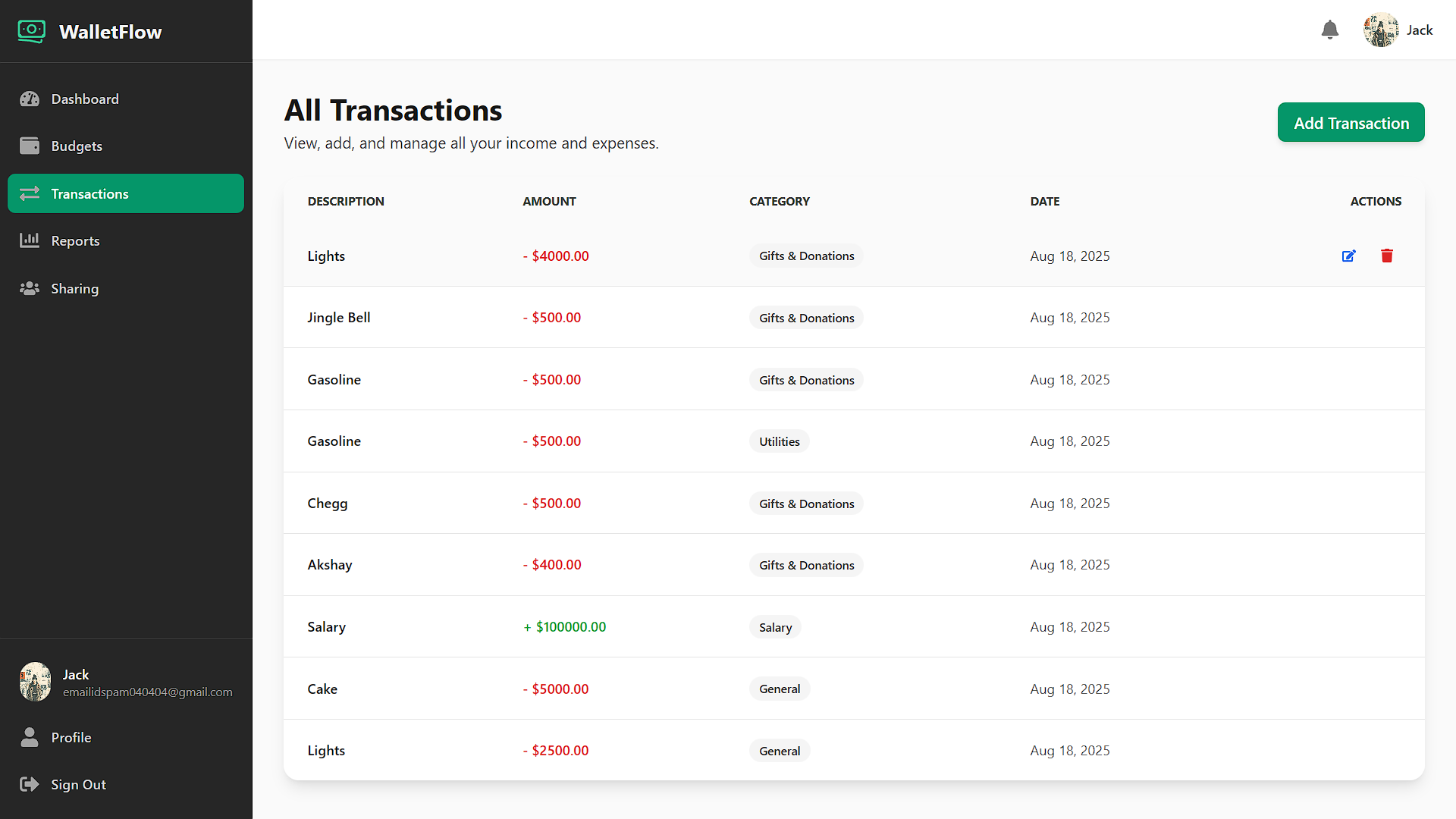
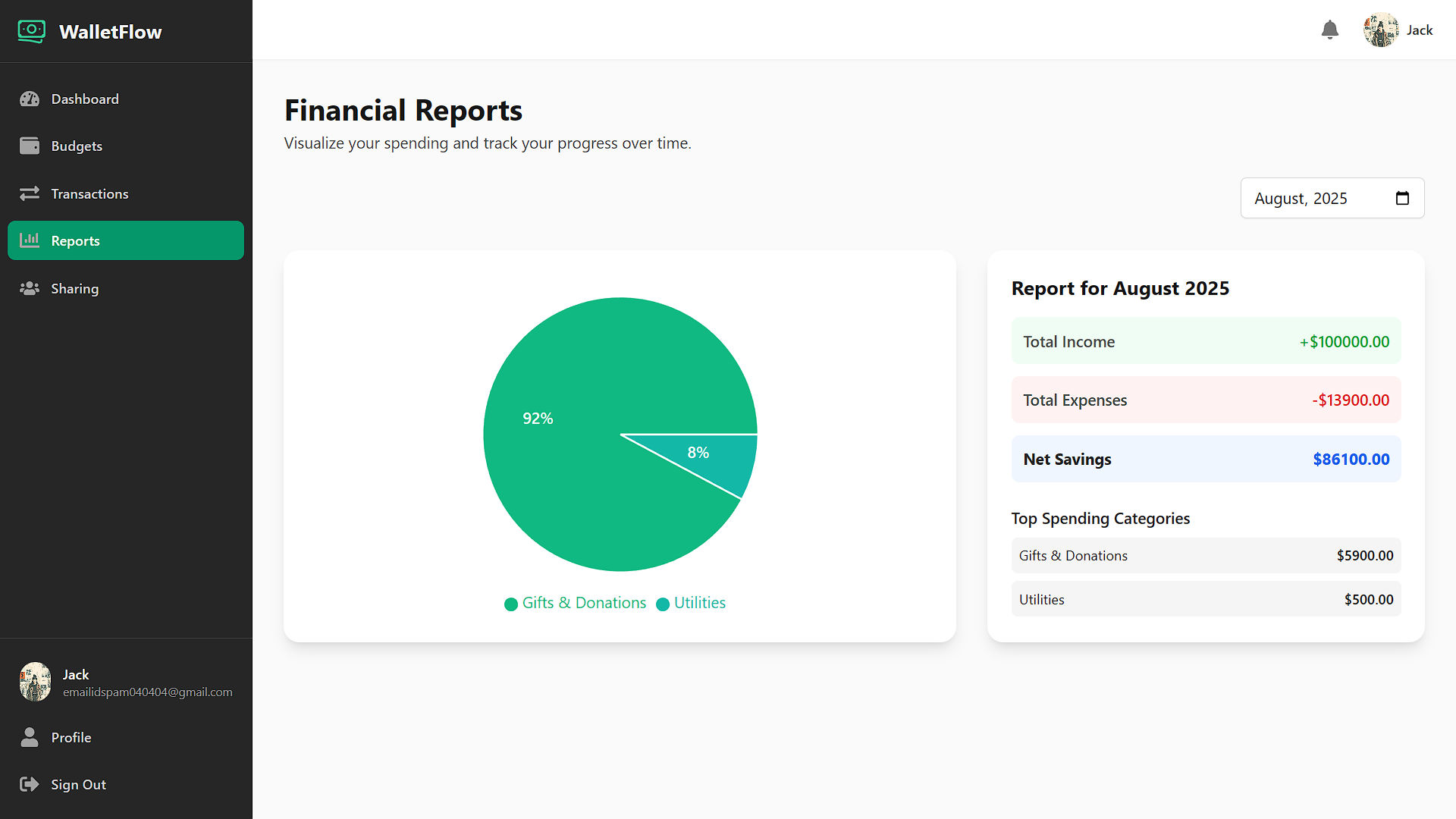
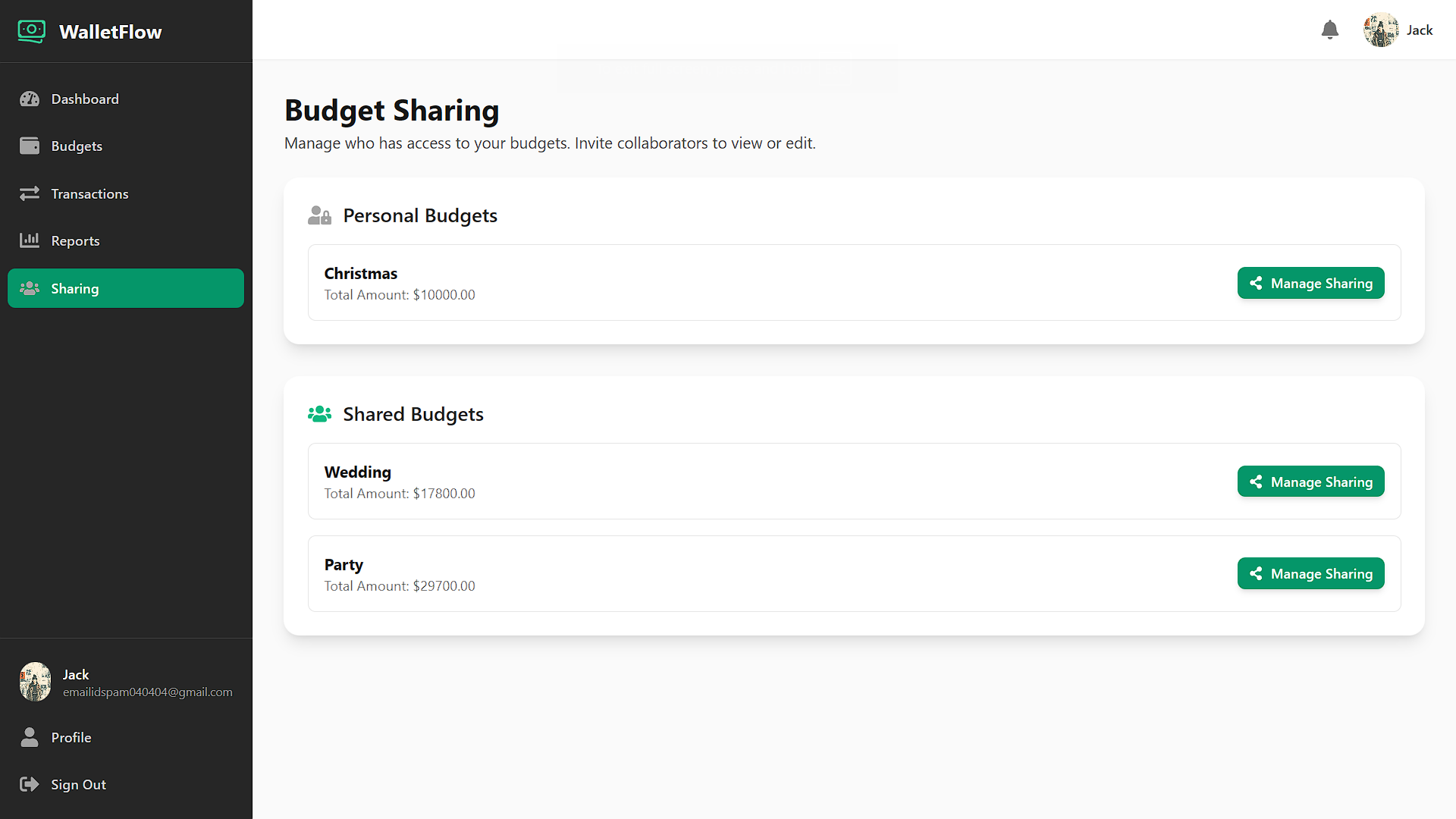
×The Budget Planner is a full-stack web application designed to help users manage their finances, create budgets, track transactions, and collaborate with others in real-time. The project is structured as a monorepo with separate frontend, backend, and database components.
The backend is built on Node.js with Express.js as the web framework. The server runs on port 5000 in development mode and integrates Socket.IO for real-time communication capabilities. The Express application includes comprehensive route handlers for authentication, budgets, transactions, users, reports, invitations, notifications, and categories. Global middleware handles CORS configuration and error handling to ensure secure cross-origin requests and proper error propagation.
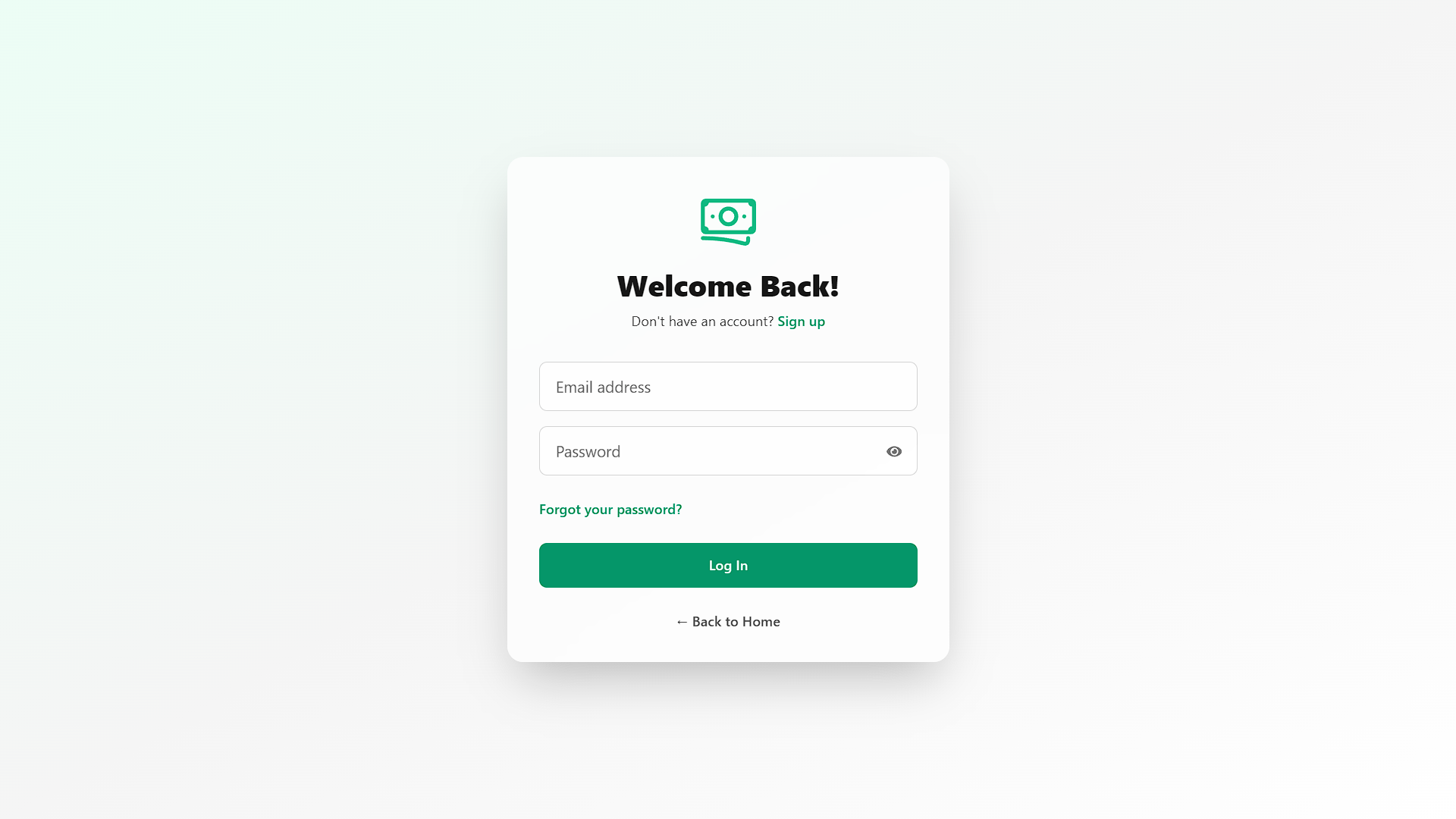
User authentication is implemented using JSON Web Tokens (JWT) with the secret stored in environment variables. The JWT middleware verifies tokens from the Authorization header in "Bearer TOKEN" format and attaches the decoded user payload to requests. Authentication logic handles user registration, login, profile retrieval, password reset, and forgot password functionality. Login endpoints return a JWT token along with complete user information including avatar URLs.
The application uses PostgreSQL as its relational database, connecting via a connection pool with SSL support configured for production environments. The connection string specifies the user "postgres" with the associated password. Database initialization creates the necessary schema, while migrations are managed through sequential SQL file execution. Migration scripts read files from the migrations directory alphabetically and execute them in order, ensuring consistent database schema versioning across environments.
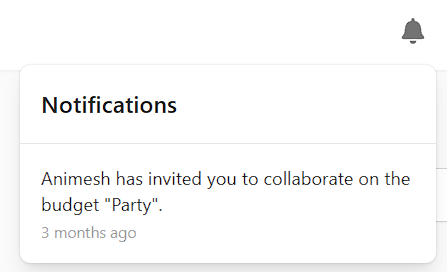
Socket.IO is configured with CORS settings pointing to the frontend URL and includes JWT authentication middleware to verify socket connections. Users join private notification rooms based on their user ID, enabling targeted real-time notifications. The socket system registers event handlers for budget and user events, with a centralized socket manager coordinating all real-time operations.
The backend is configured through environment variables including Node environment (development), server port, PostgreSQL connection details, JWT secret for token signing, and frontend URL for CORS. Email credentials are provided for the mail service, allowing the application to send notifications and password reset emails through Gmail's SMTP service.
The frontend is built with React and Tailwind CSS, running on port 3000 during development. CORS middleware allows requests from the frontend origin with proper credential support, enabling seamless communication between the frontend and backend services.
Tech Stack
Full-Stack E-Learning Platform
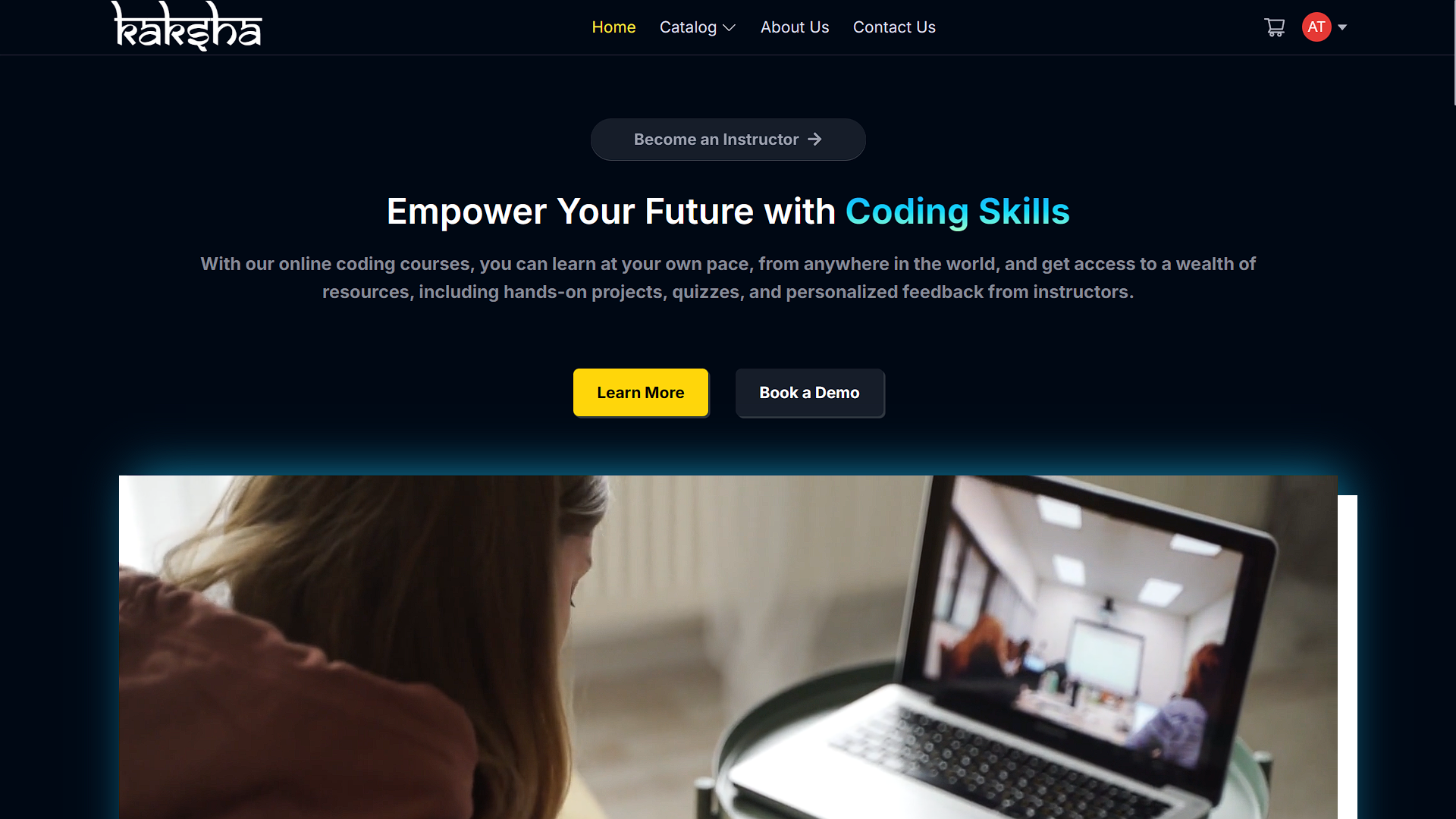
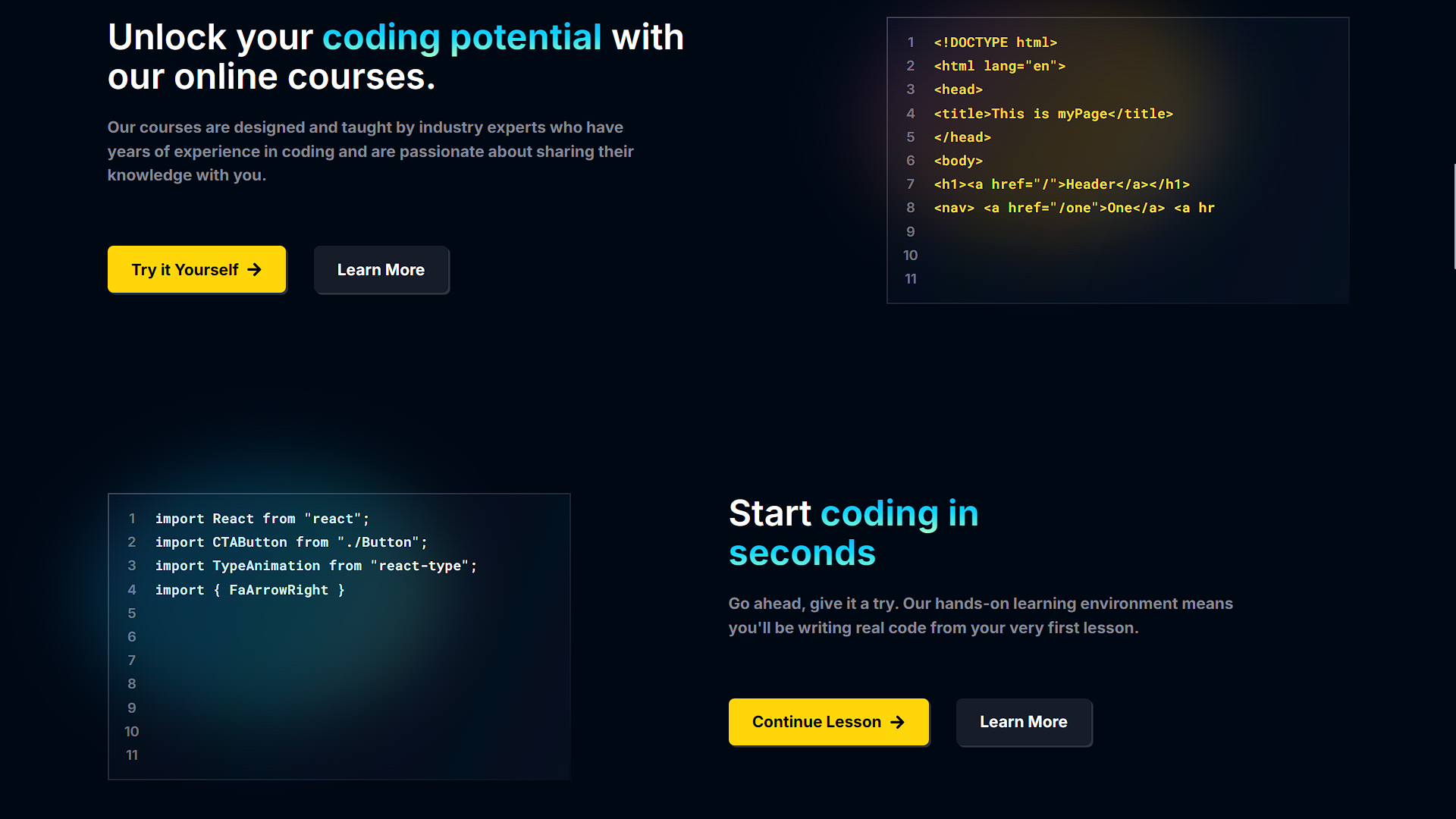
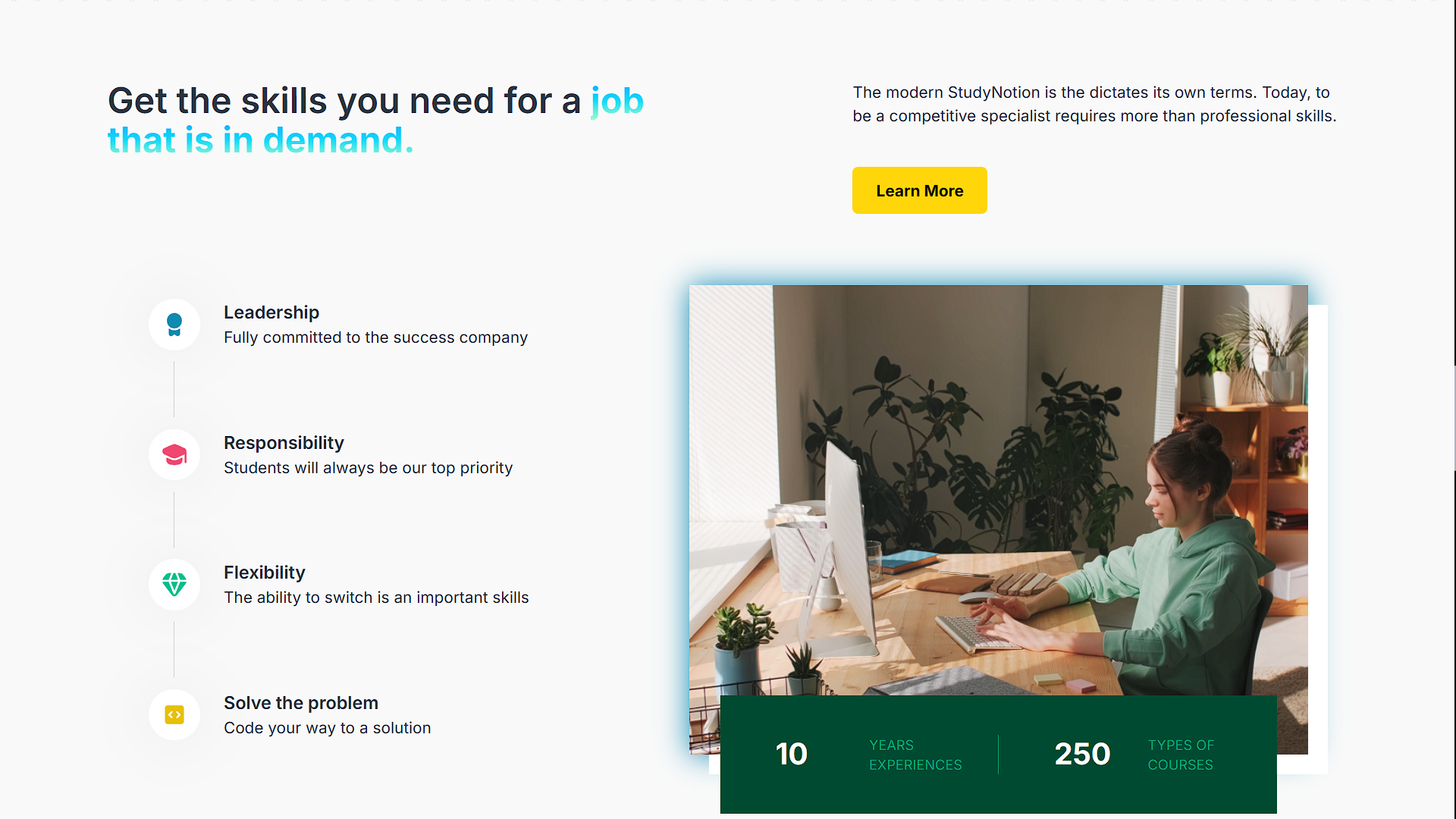
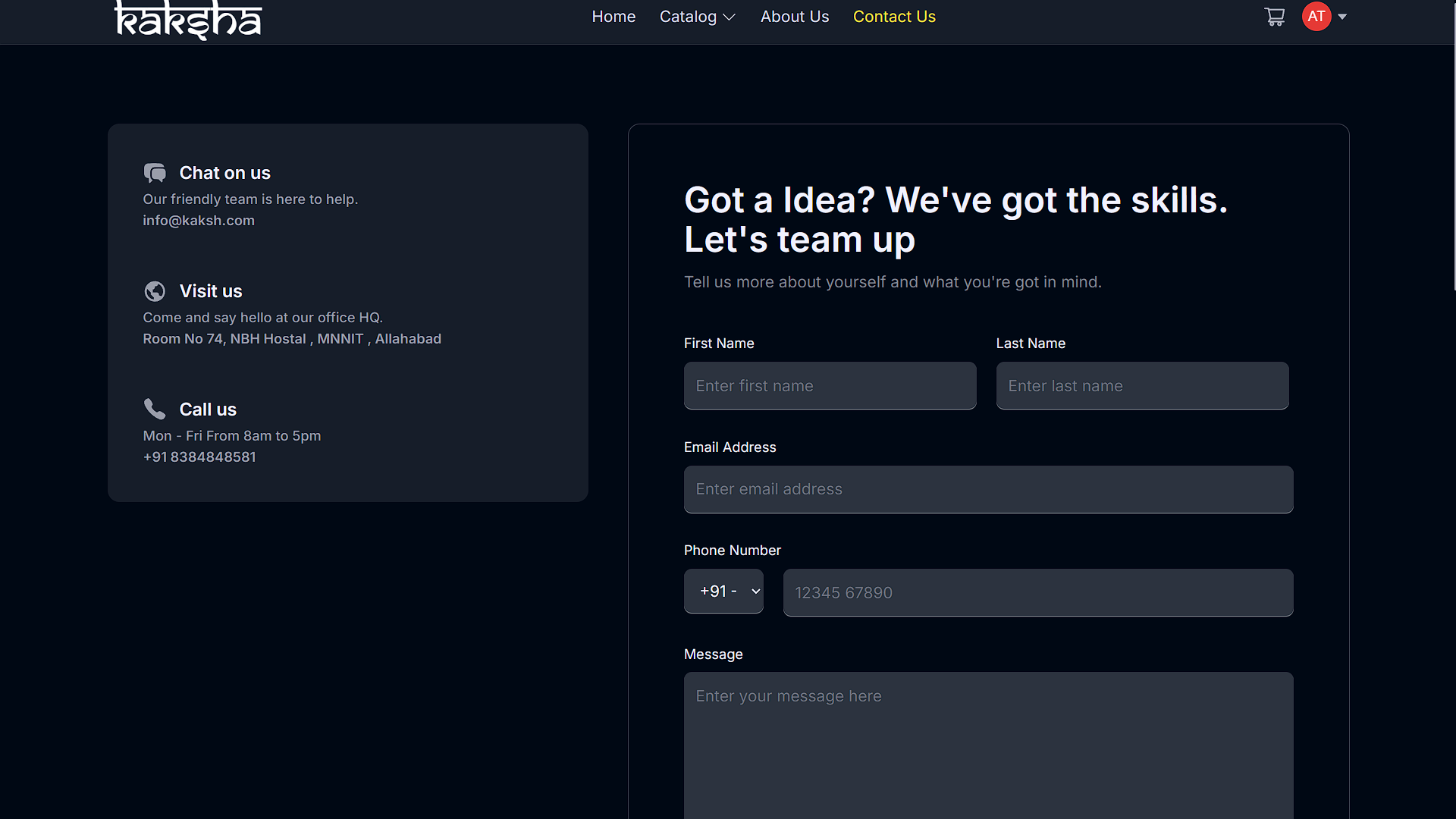
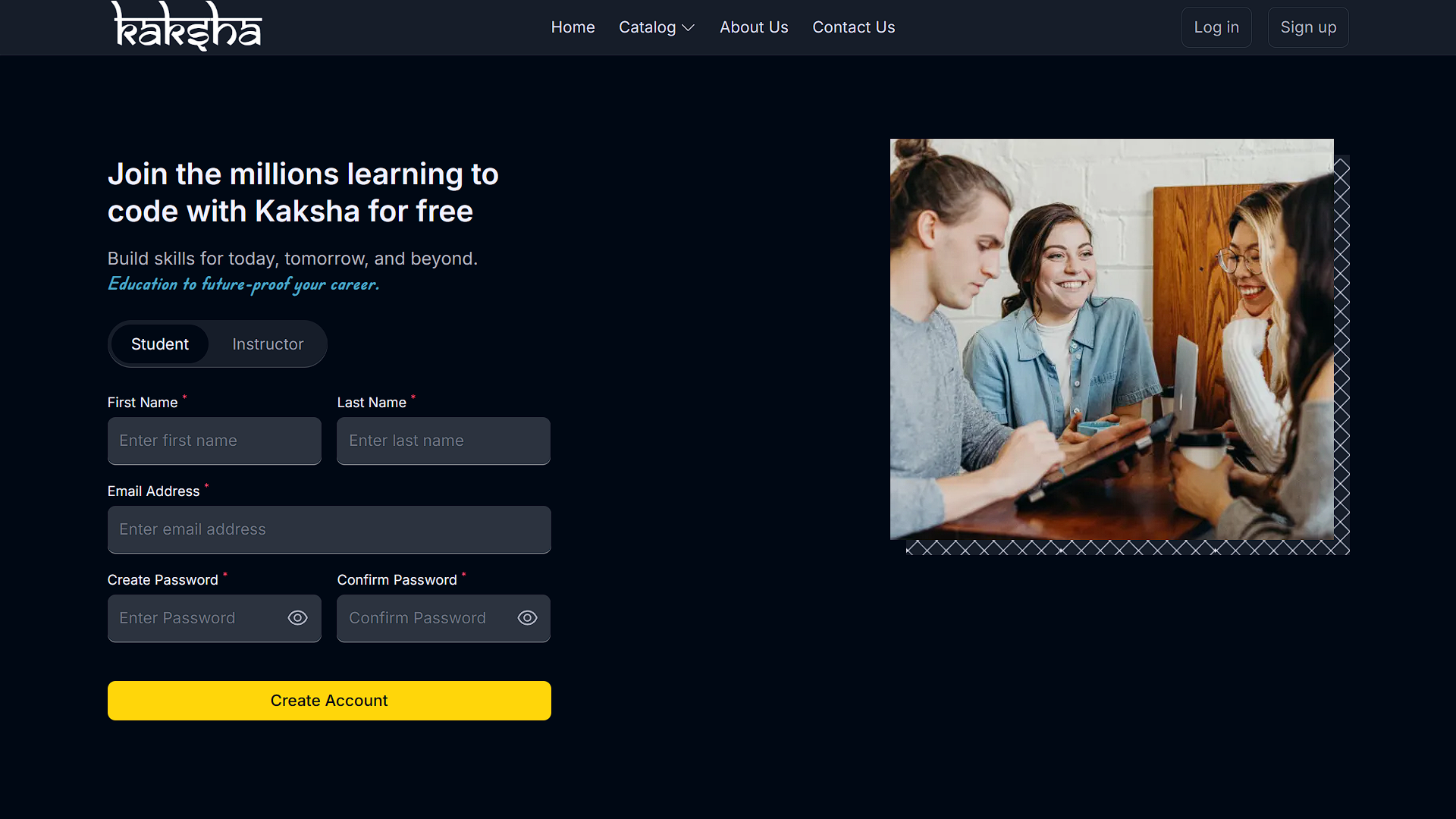
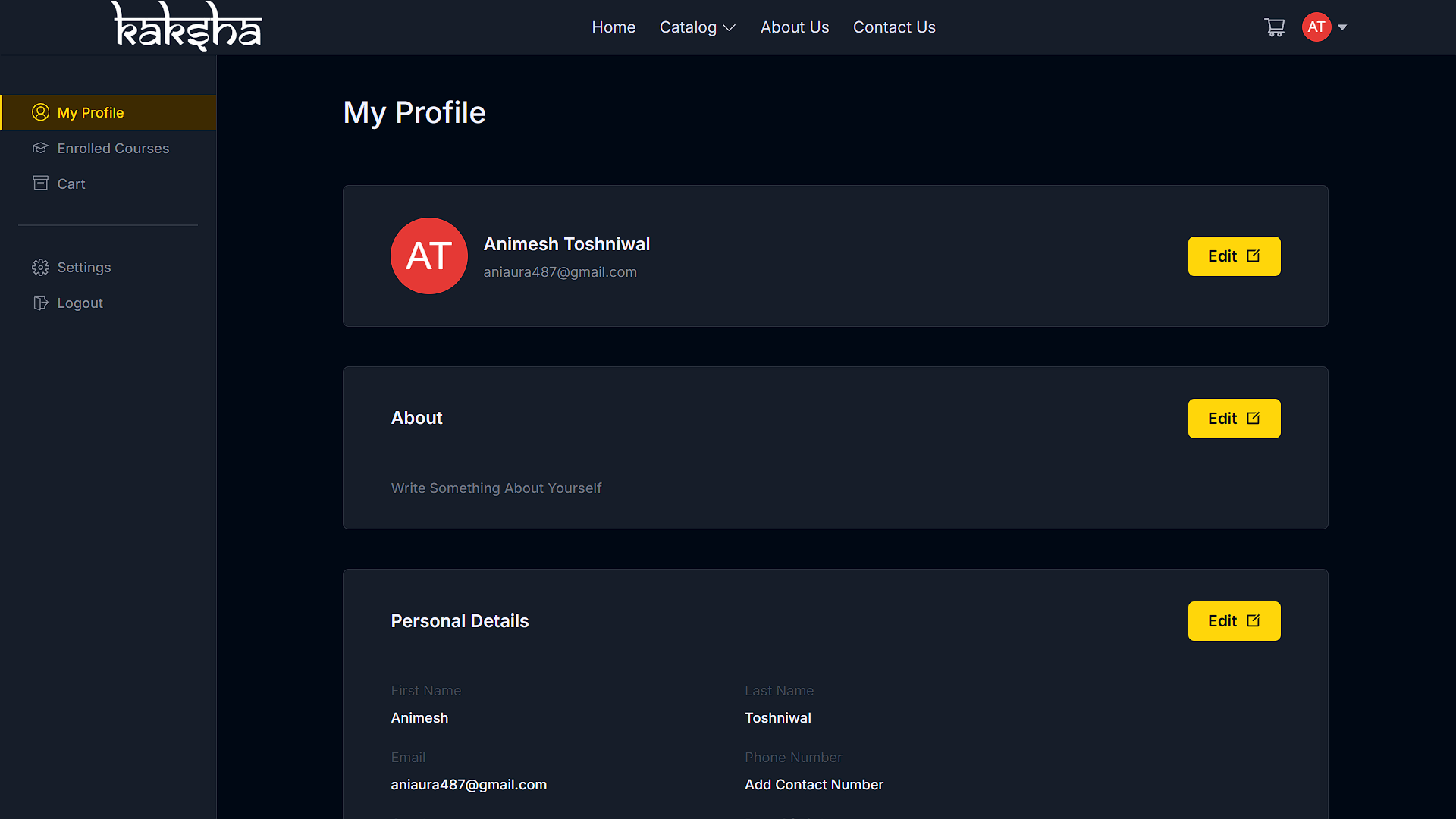
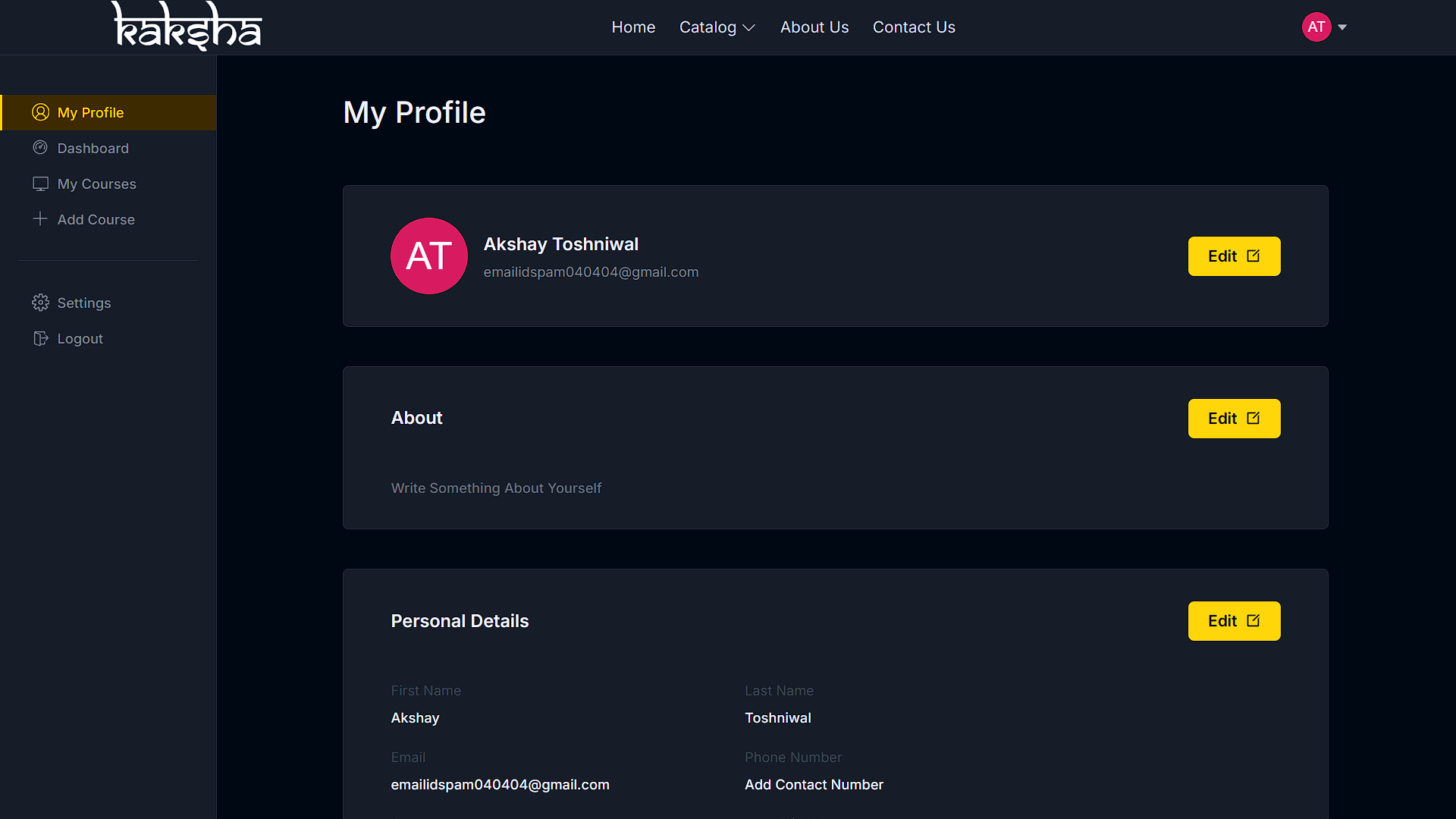
×Kaksha (StudyNotion) is a MERN-stack e‑learning platform organized as a monorepo with a React frontend and an Express/Node.js backend using MongoDB via Mongoose. The application separates concerns cleanly: the frontend delivers a responsive single‑page application while the backend exposes a REST API under /api/v1 that implements business logic, data access, and integrations.
The frontend is built with React, React Router and Redux Toolkit for state management. UI and styling are handled with Tailwind CSS. Forms use React Hook Form, media uploads use react-dropzone, and API requests go through a centralized axios-based apiConnector. The UI is modularized into reusable components/common and feature-specific components under components/core (Dashboards, Course Builder, Course Viewer).
The backend is an Express server organized into modular routers and controllers (auth, profile, course, payments, contact). It uses Mongoose models (User, Profile, Course, Section, Subsection, Category, OTP, Rating/Review) and middleware for authentication/authorization. Passwords are hashed with bcrypt, authentication is JWT-based, and role-based middleware (student/instructor/admin) protects routes.
Course management supports multi-step creation: instructors provide metadata, upload thumbnails and lecture videos, and build course structure with sections and subsections. Media uploads are sent as FormData from the client and uploaded to Cloudinary using a server-side uploader util; express-fileupload handles temporary files on the server. The backend returns populated documents (e.g., course with populated category, instructor) to simplify frontend rendering.
Payments are integrated via Razorpay with server-side verification for payment confirmation. Transactional emails (OTP, payment receipts) are sent with Nodemailer (SMTP-configurable). The project includes utilities for image uploads, mail sending, and duration conversion for media.
Tech Stack
CryptoClock
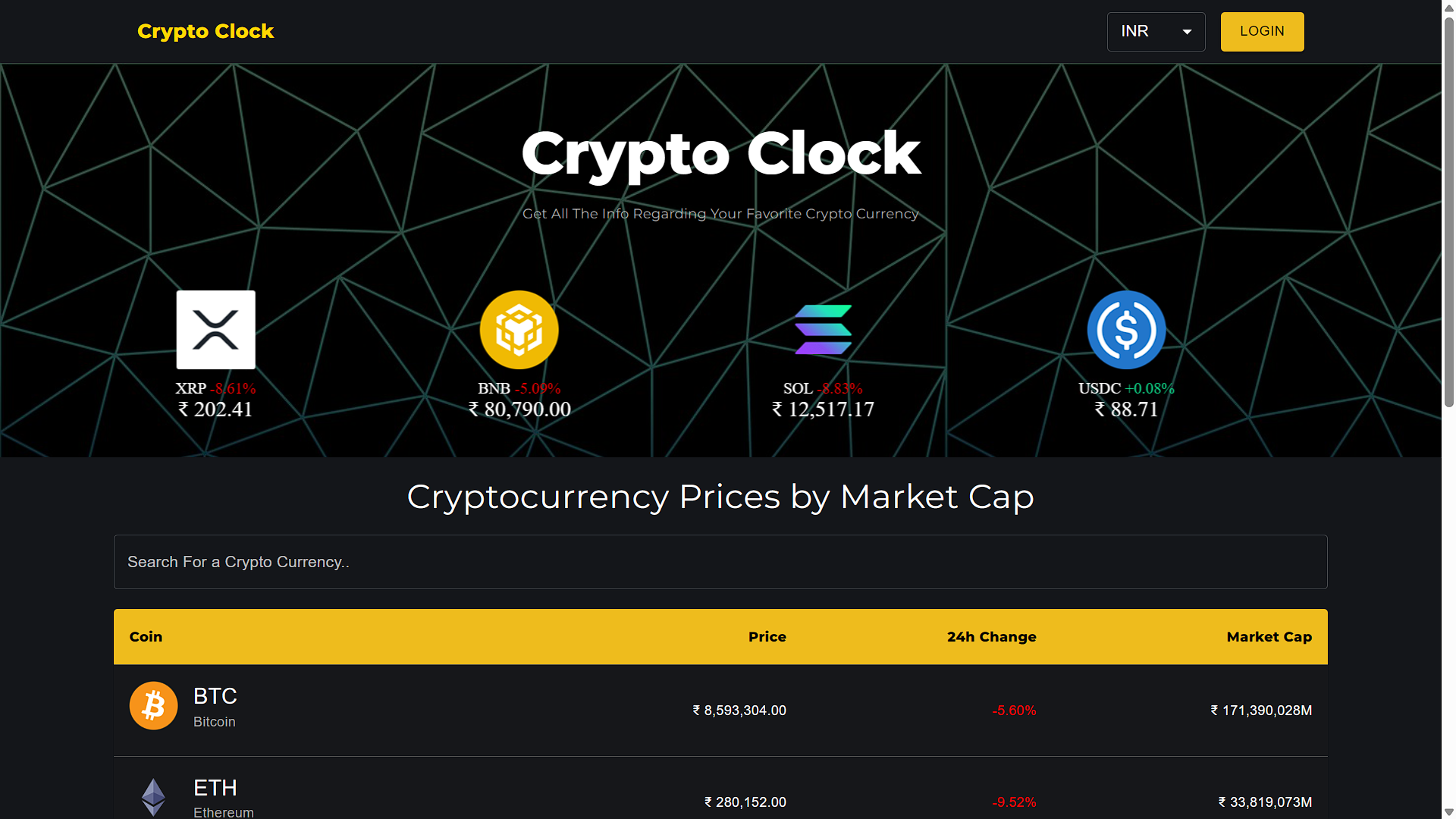
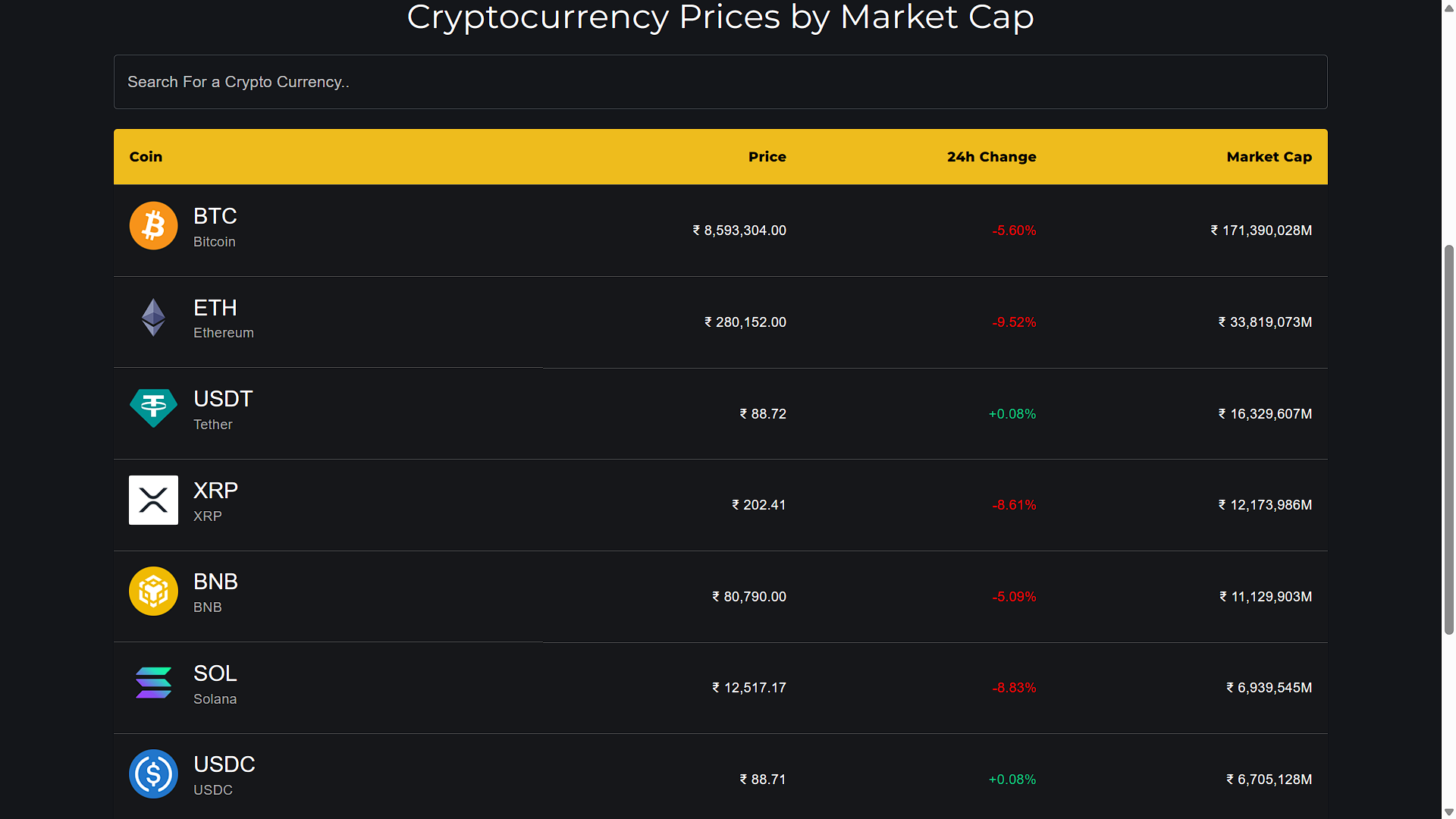
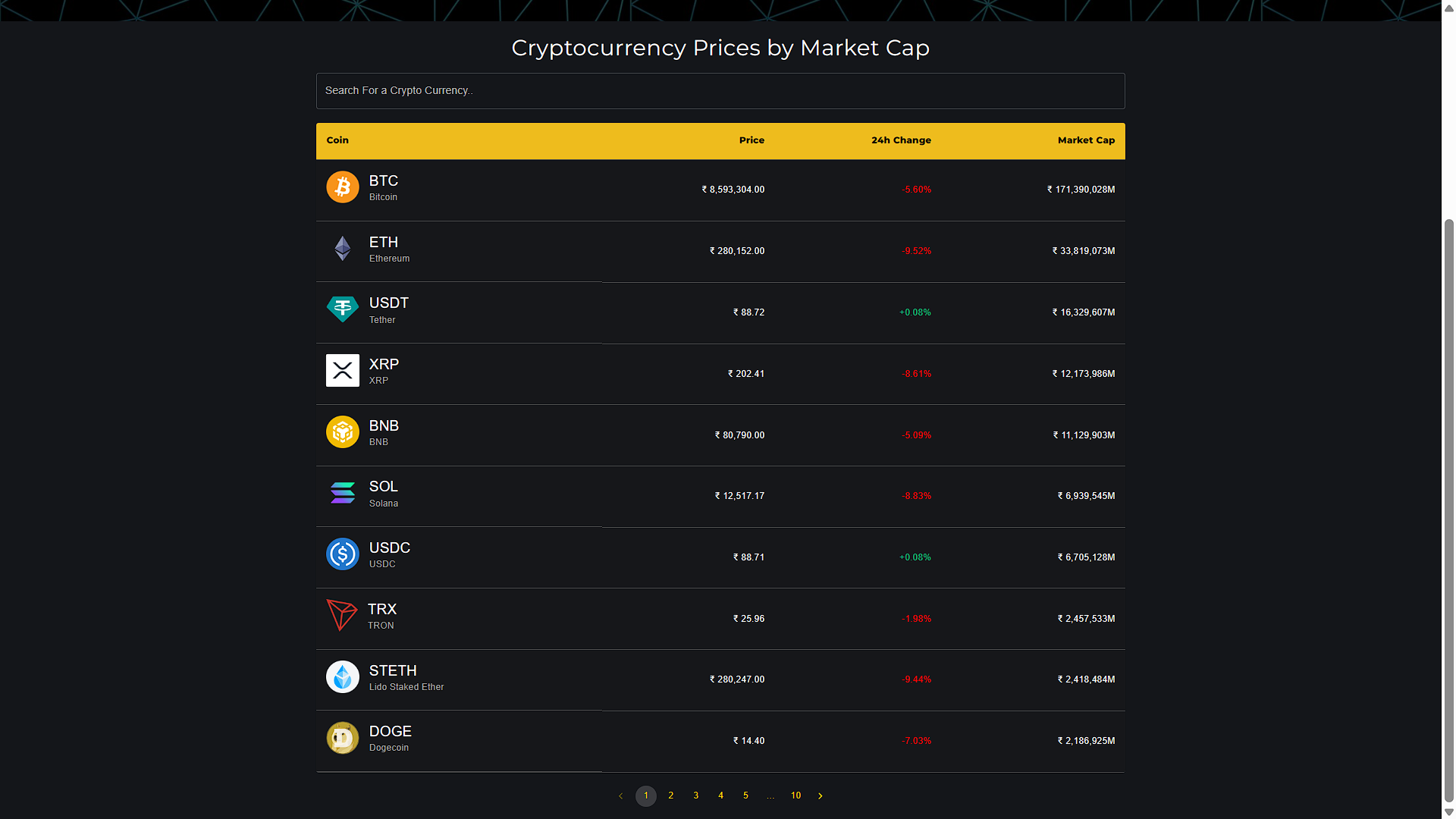
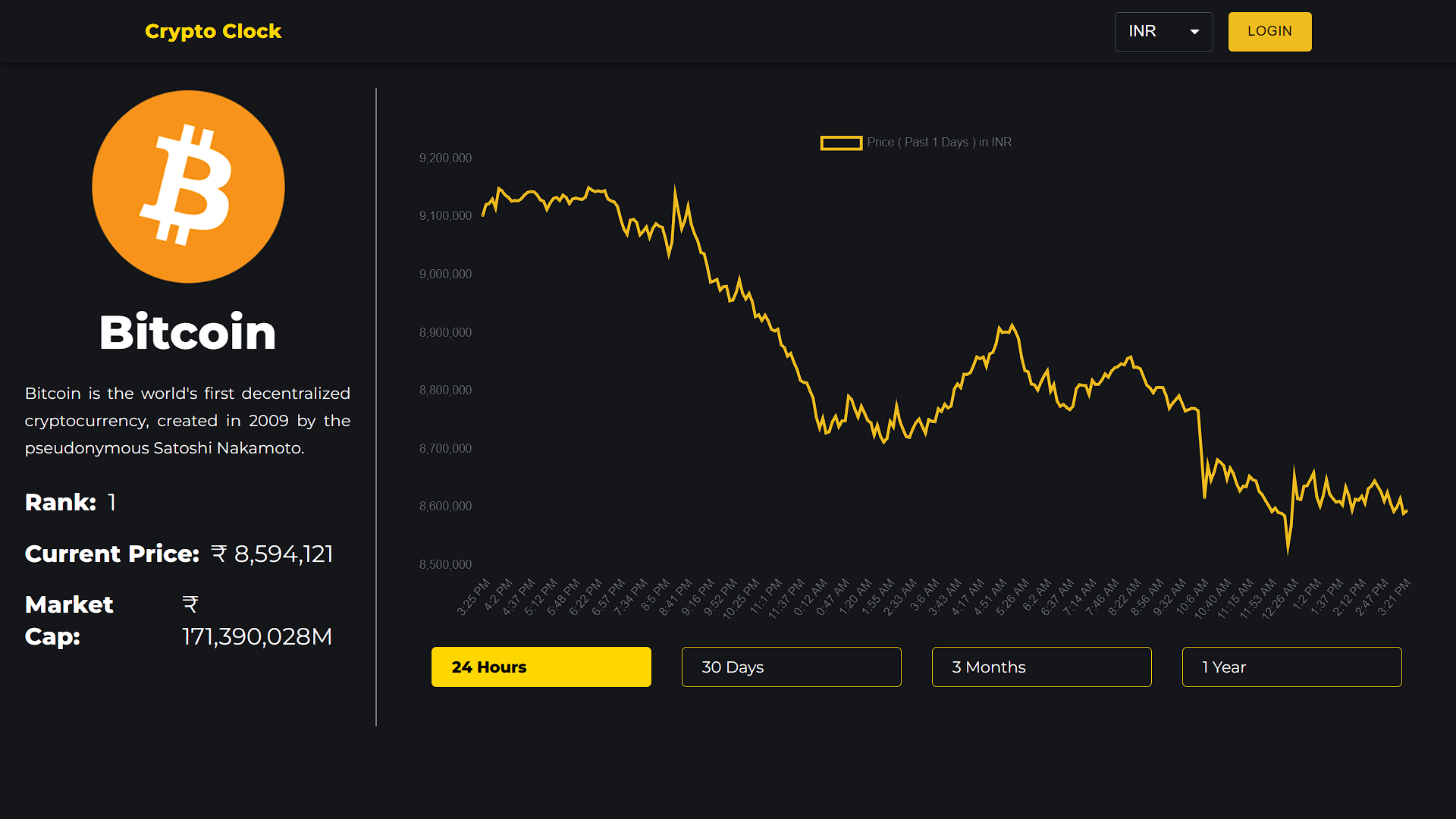
×CryptoClock is a full-stack cryptocurrency tracking web application built with React that provides real-time market data and portfolio management features. The application fetches cryptocurrency price data from the CoinGecko API and displays information including current prices, 24-hour/1-month/3-month/1-year price changes, and historical price charts using Chart.js. The front-end leverages React Context API for global state management, Material-UI for component styling, React Router for navigation, and implements lazy loading for optimized performance. The architecture includes a homepage displaying top 100 cryptocurrencies with pagination, individual coin detail pages with interactive price history charts, and an alert system for user notifications.
The application incorporates secure user authentication and personalized features through Firebase integration, allowing users to create accounts, log in, and maintain a watchlist of favorite cryptocurrencies. User authentication state is managed with Firebase Auth, while watchlist data is persisted in Firestore database and synchronized in real-time using React hooks and Context API. The technology stack comprises ReactJS, Material-UI, Chart.js, Firebase (Authentication & Firestore), Axios for API calls, and react-router-dom for client-side routing. The application is deployed on Netlify and offers a responsive, dark-themed interface for tracking cryptocurrency market trends.
Tech Stack
Watchtower: Indian Crime Data Visualization Portal
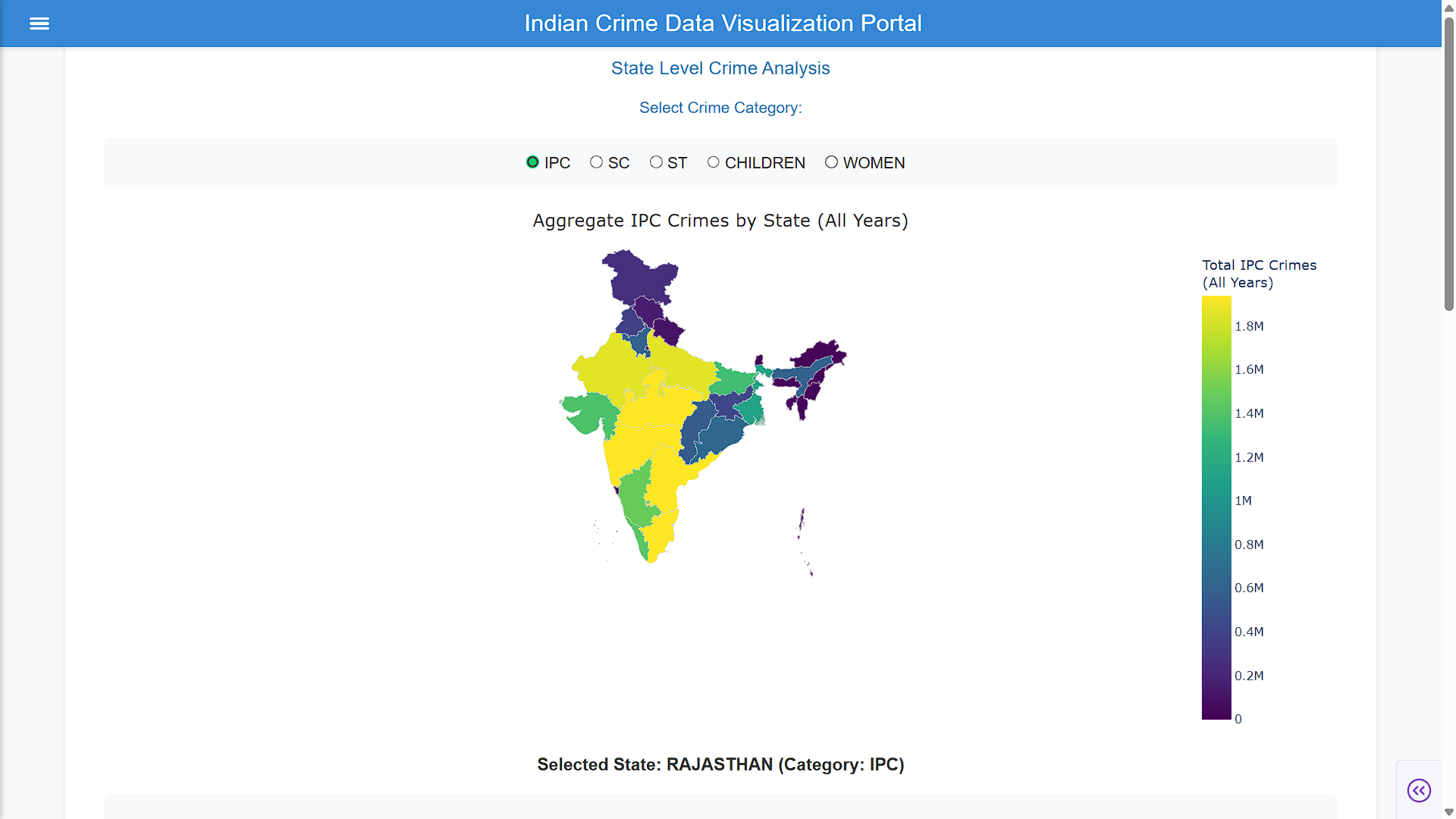
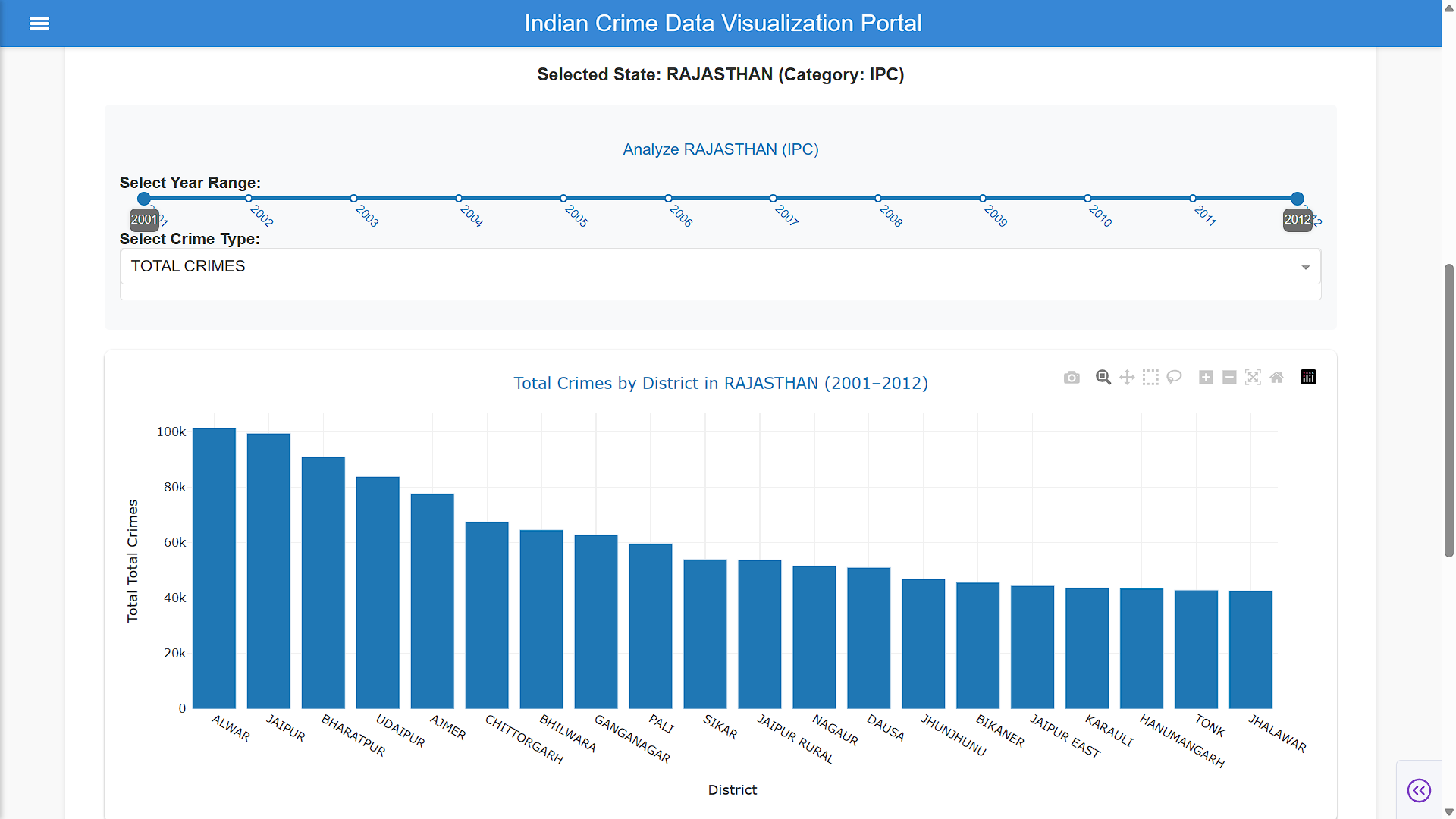
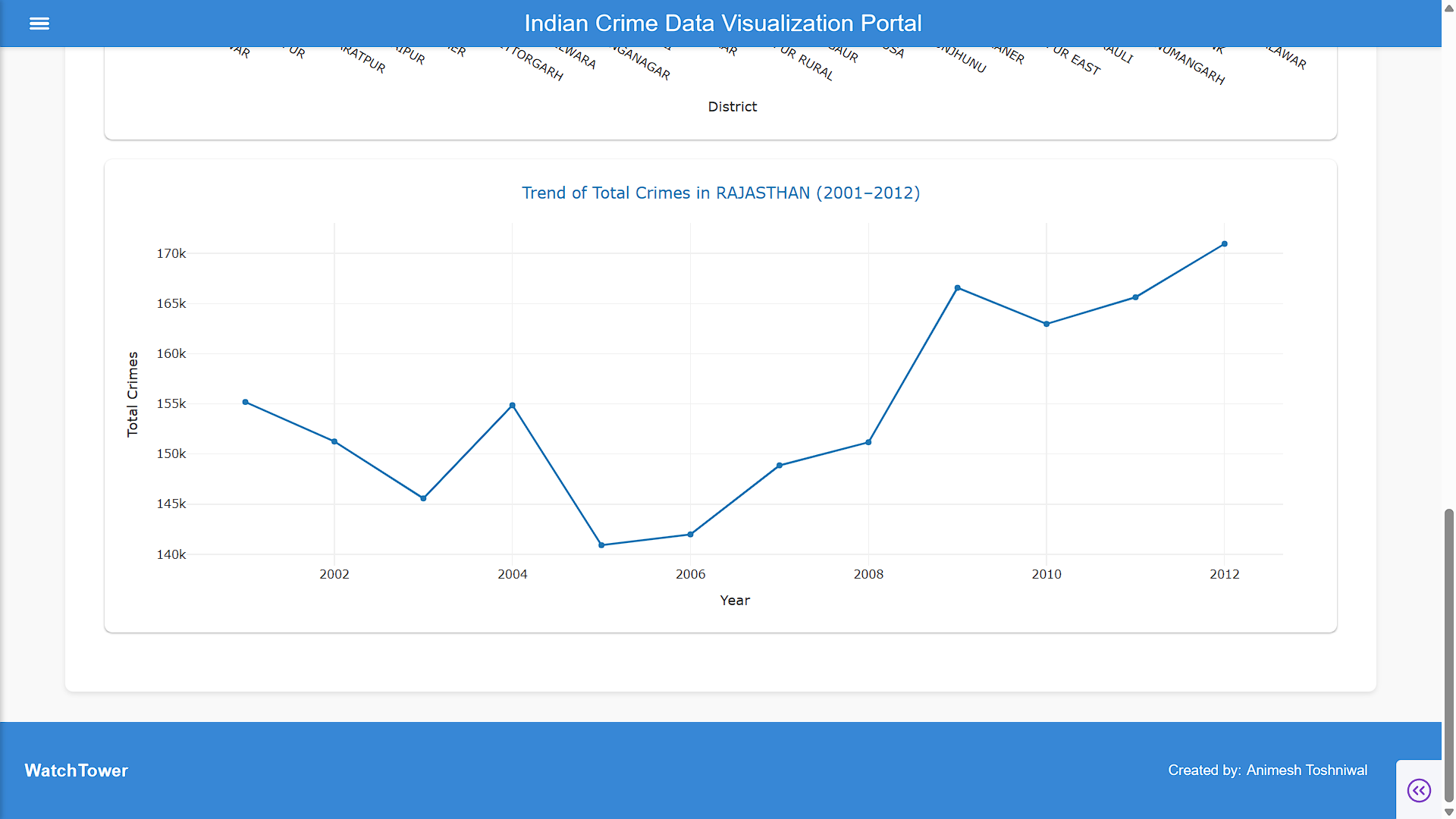
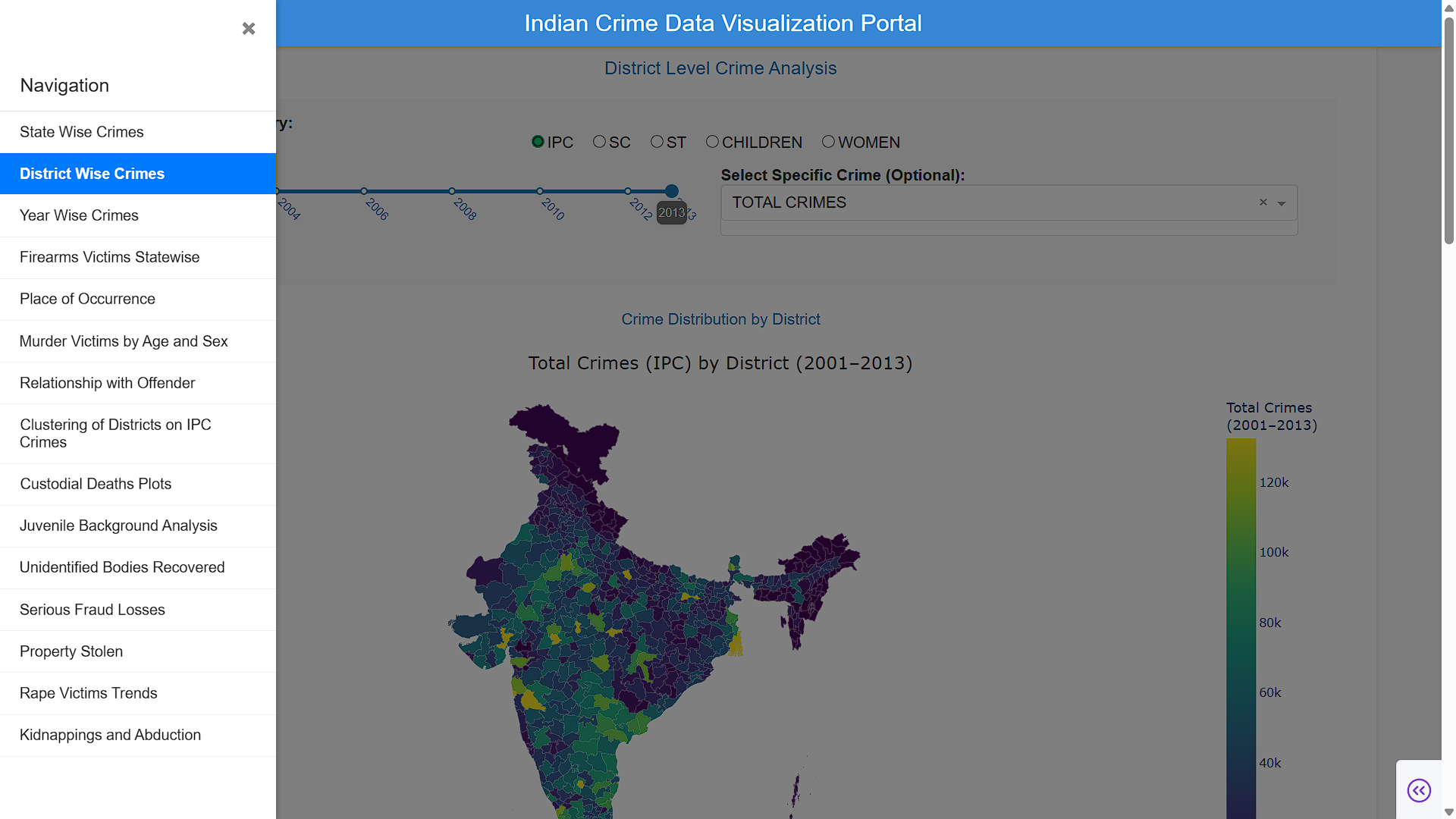
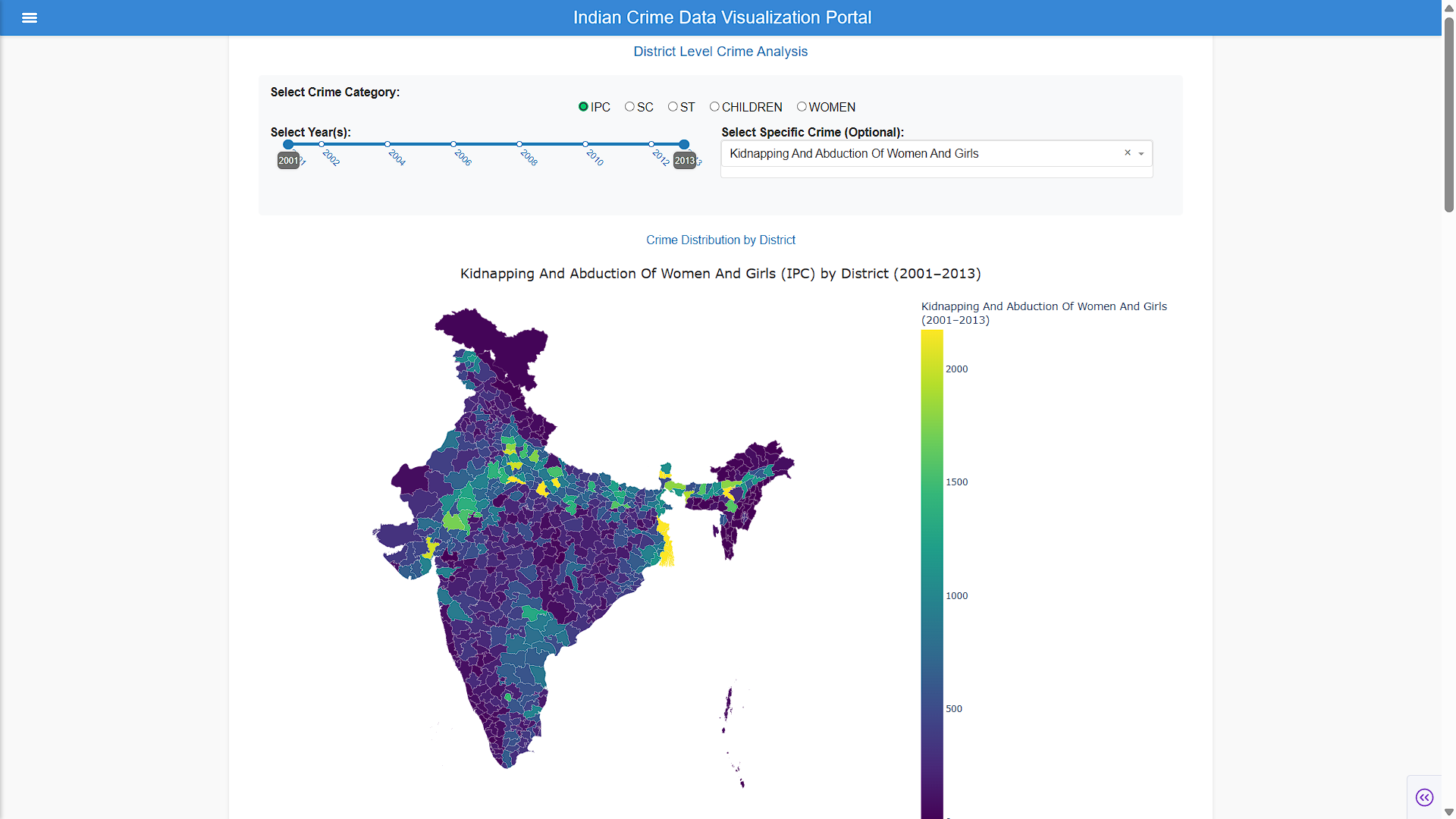
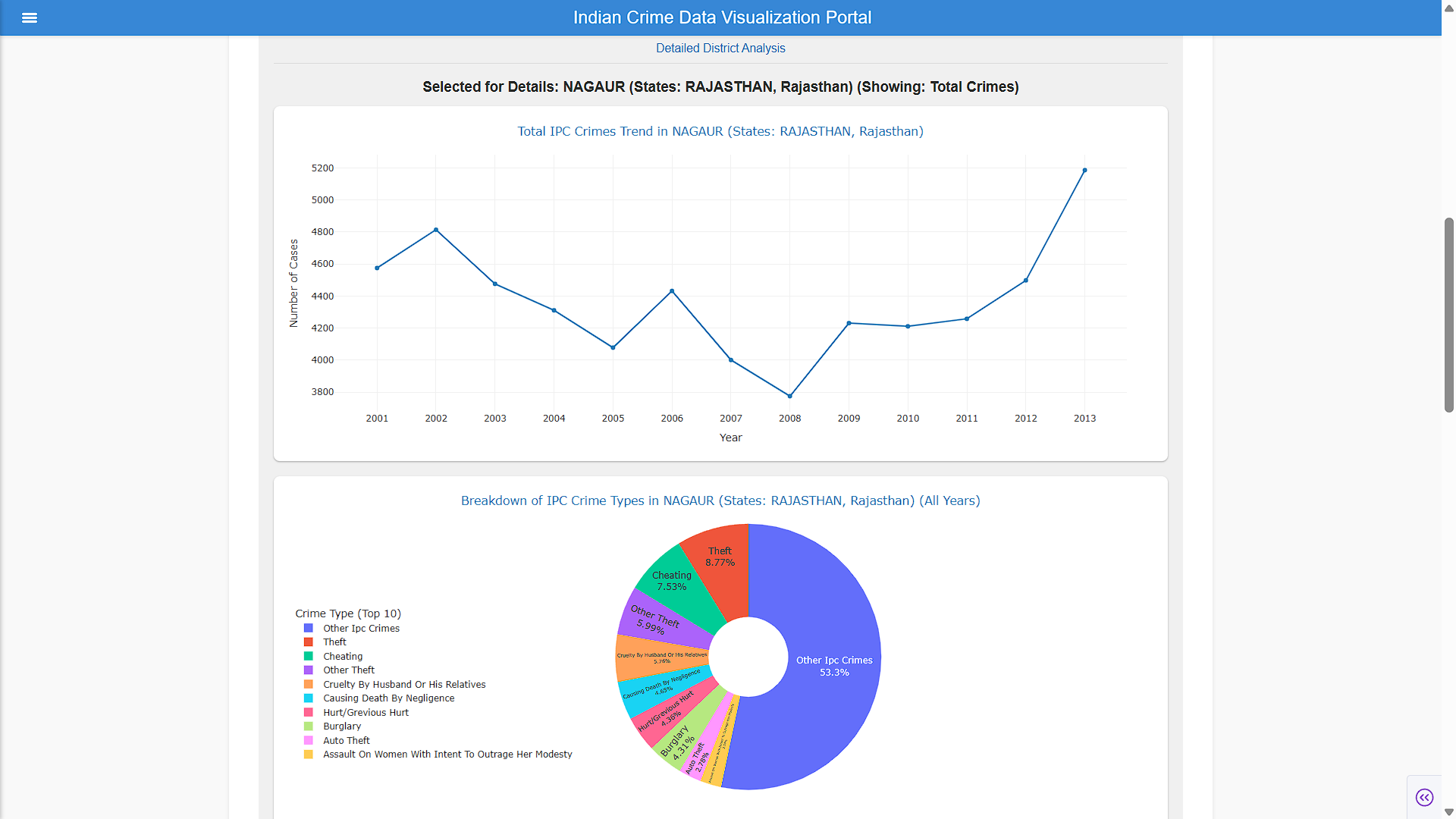
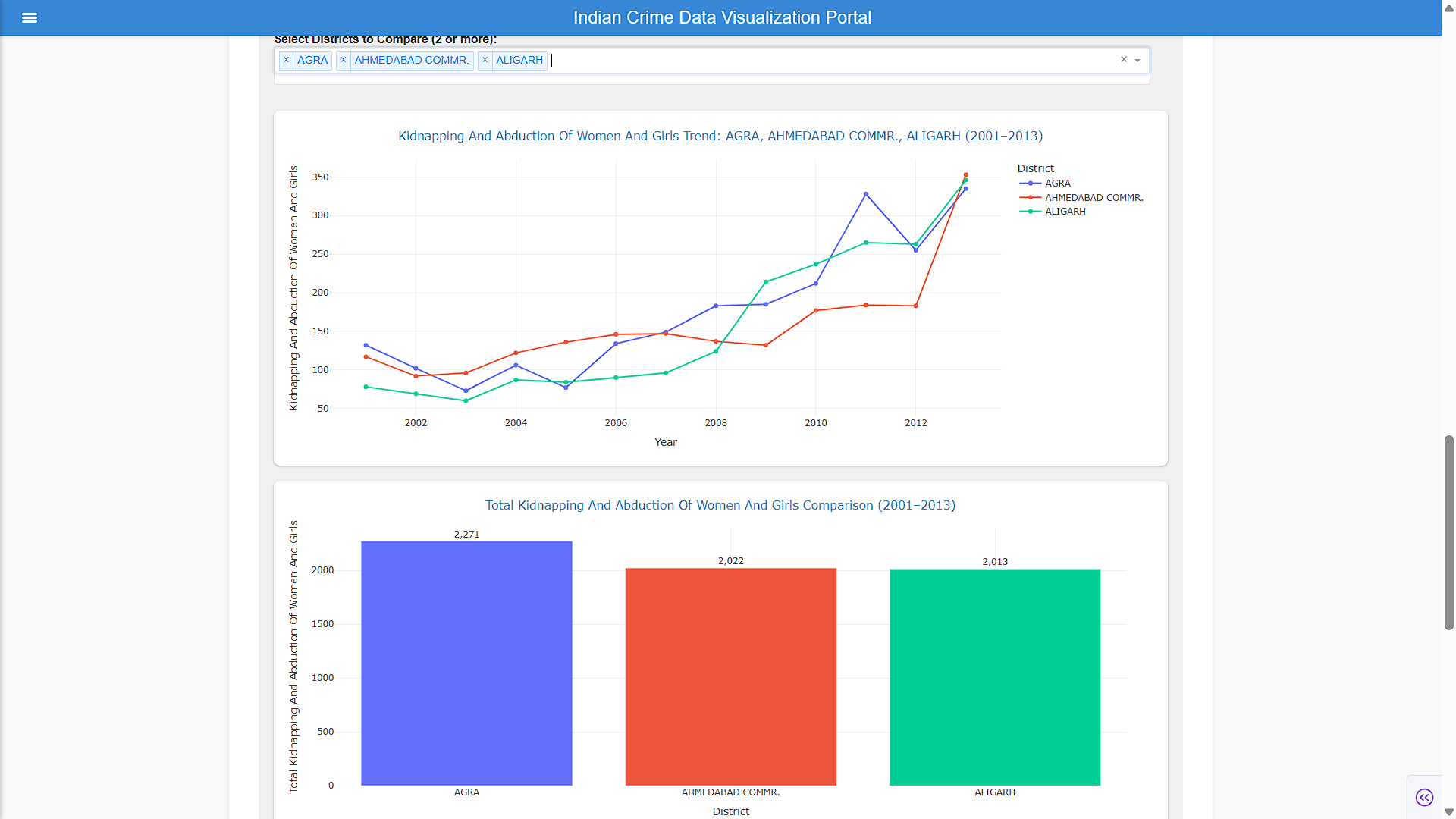
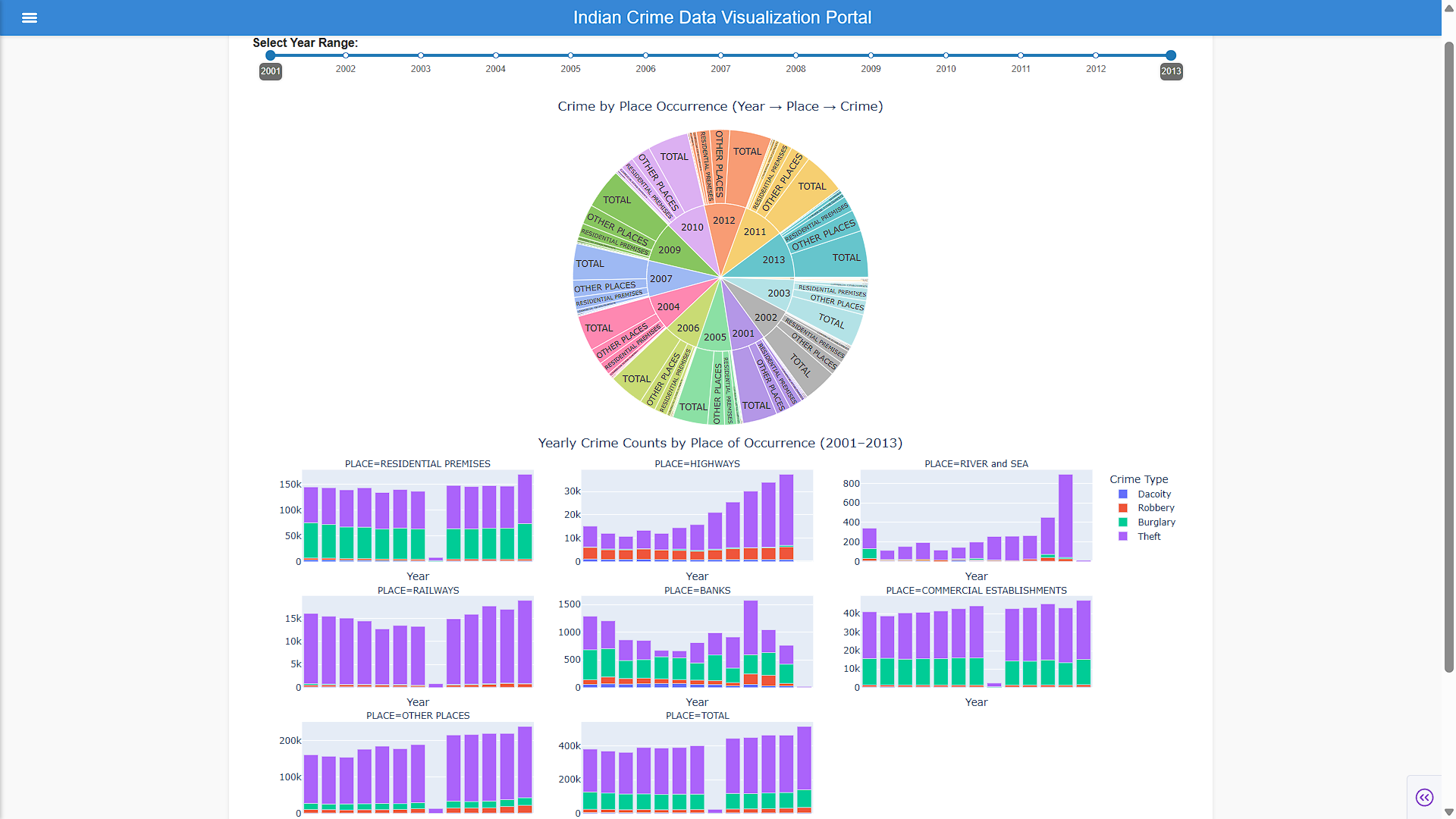
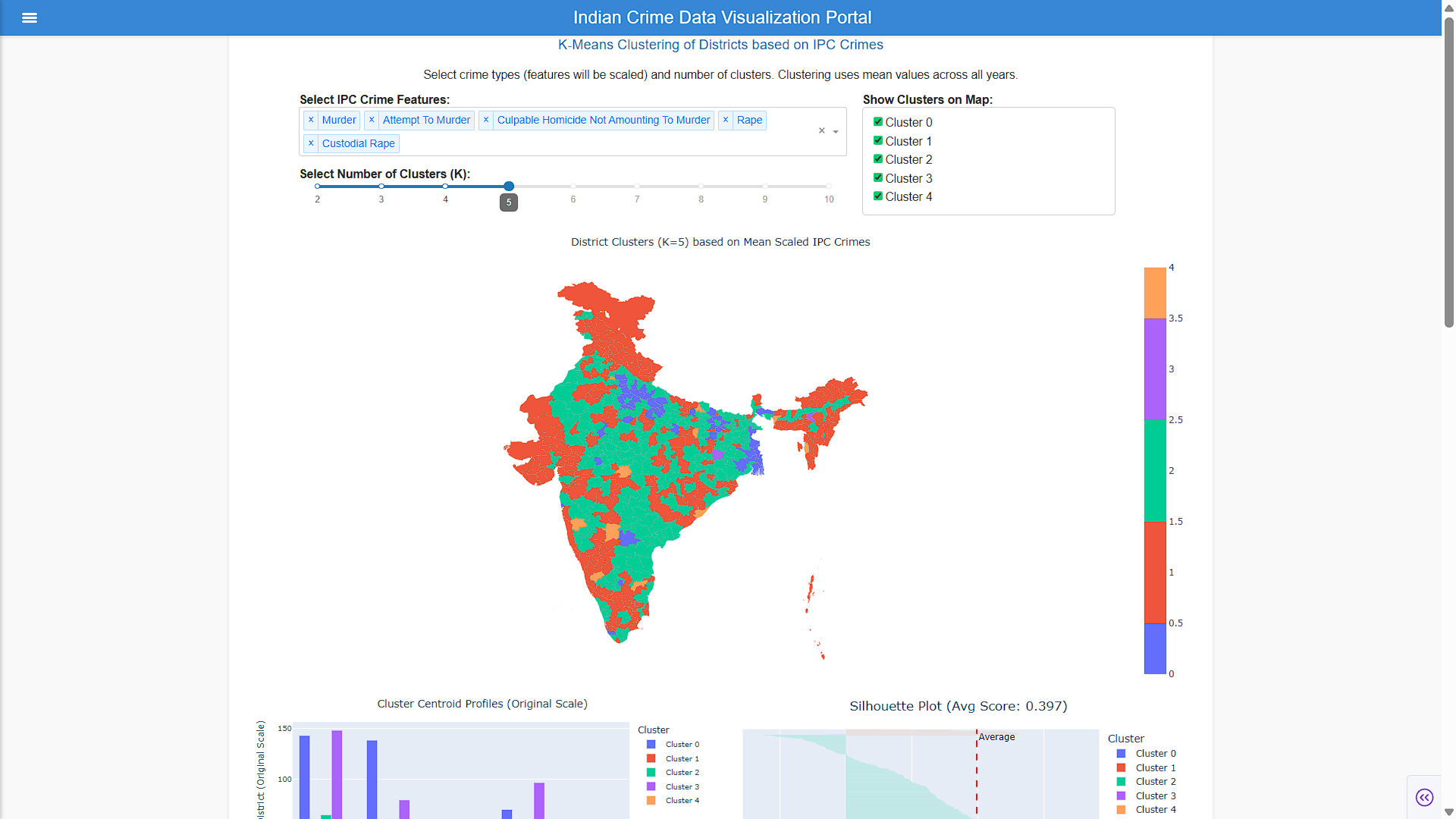
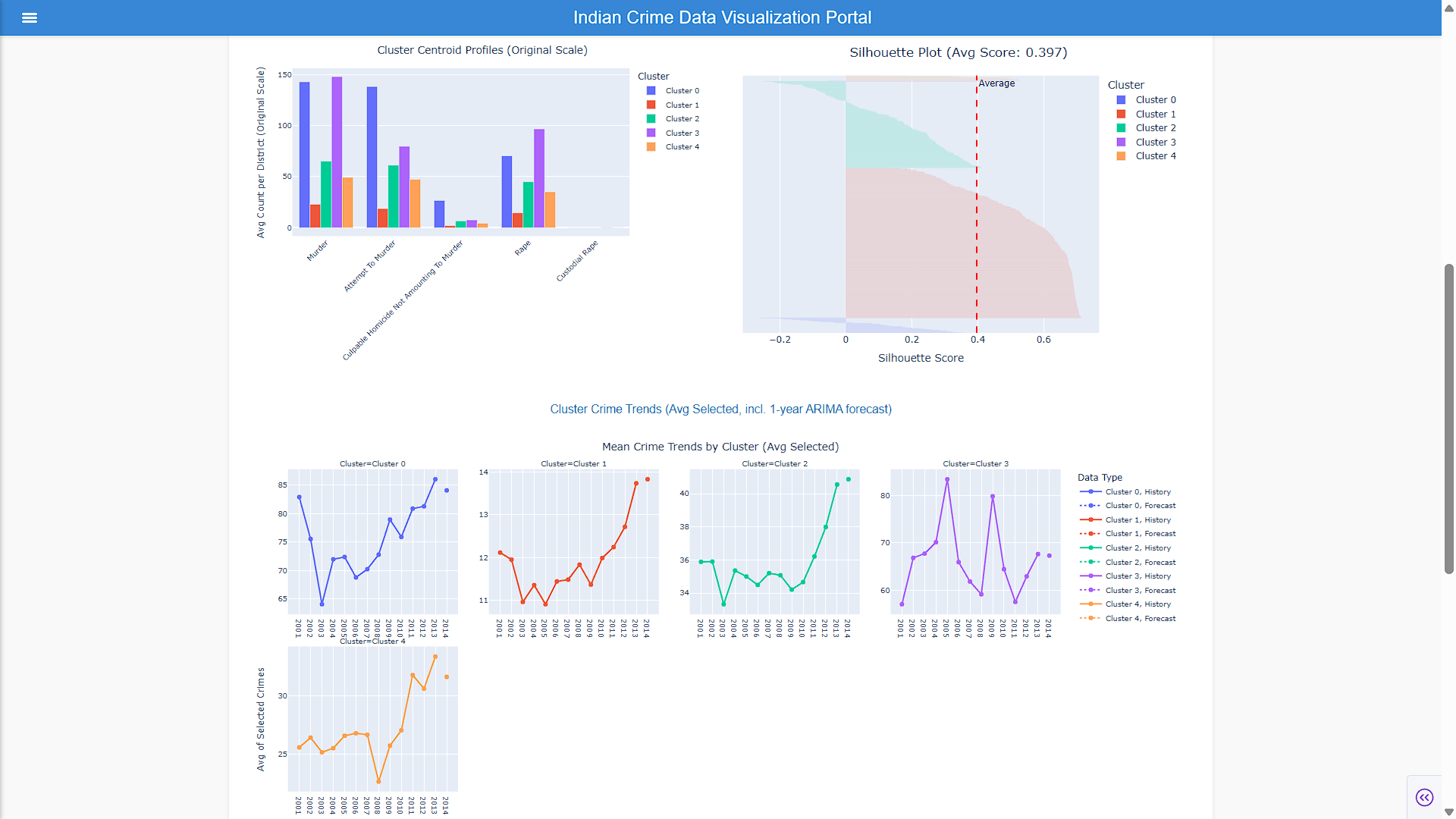
×Watchtower is an interactive Dash-based analytics platform for visualizing Indian crime data (2001–2012) at state and district granularity. It includes choropleths, temporal trends, clustering modules, regression-based victim prediction, and map drill-downs.
Backend processing uses Pandas, NumPy, RapidFuzz for fuzzy GeoJSON alignment, scikit-learn for clustering and regression, and Plotly/Dash for interactive visualizations. The app is containerized and served with Gunicorn in production.
Tech Stack